
There is a matter of transparency that should be established before this article really starts. I have not played every Ubisoft title. However, the titles I have played, I tend to complete, and in general, I enjoy them.
A few times, I have felt that Ubisoft has tried to cheat its audience or overhype its titles to such an extent that it can only be described as a deception. That kind of complaint is more toward marketing. With their history, I feel they set out with a genuine intent to make a good product for the vast majority of their catalog. They are typically good at what they do, even if they do not know it or exactly why.

Overview
Here is my general complaint with Ubisoft. They can create excellent titles, some that will and are already logged in the annals of gaming history. Yet, in recent years, they seem to be heading in two directions: homogenize and innovate. Immediately, that should set off an alert. Those two words have almost completely opposite connotations. if you do not agree, let me explain.
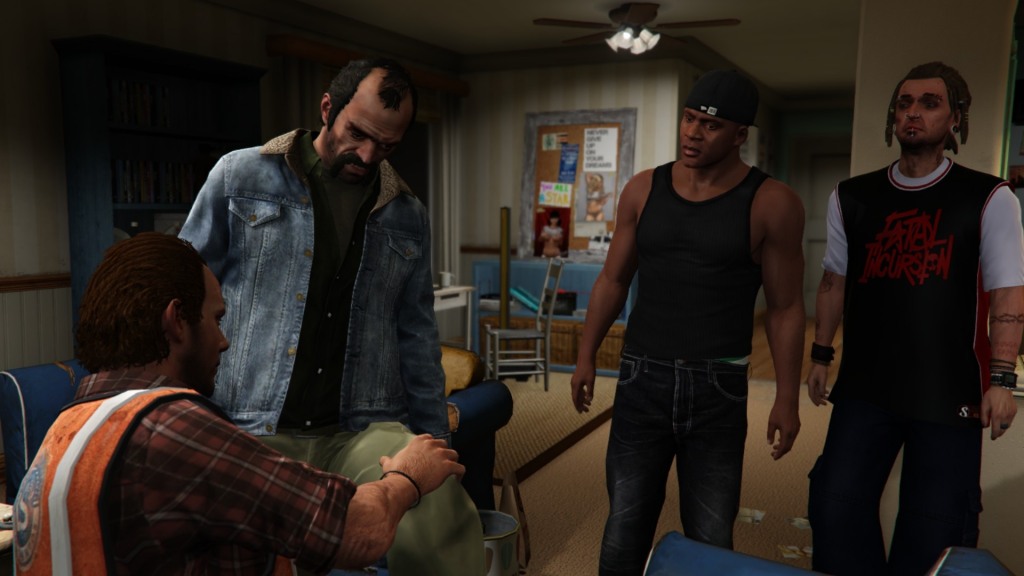
The gaming industry, in general, has been headed towards multiplayer-centered platforms for a while now. Blame Tribes if you really want to. The concept itself is not bad or evil and there is always another title to say that really caused the issue. Plus, Tribes is awesome. The issue that many developers and publishers have is how to incorporate any kind of multiplayer feature into their franchises. Take, for example, Rockstar, which managed to hit the nail on the head with GTA V. Personally, I think they did a good job with Red Dead Redemption’s multiplayer on release, but it still had a ways to go to become a titan in the multiplayer world.
A counter-example is Bethesda’s Fallout 76, which until recently, was actually terrible. Only after the show was released did we begin to see improvements. An atrocious launch marred the game for a few years, making it next to unplayable in the immediate and boring soon after. They’ve managed to improve on the game and it has started to come around recently. It proves that an innovative direction is not bad but the obvious scheme to make more money with online subscription requirements and in-game purchase decals deteriorates a good user experience.
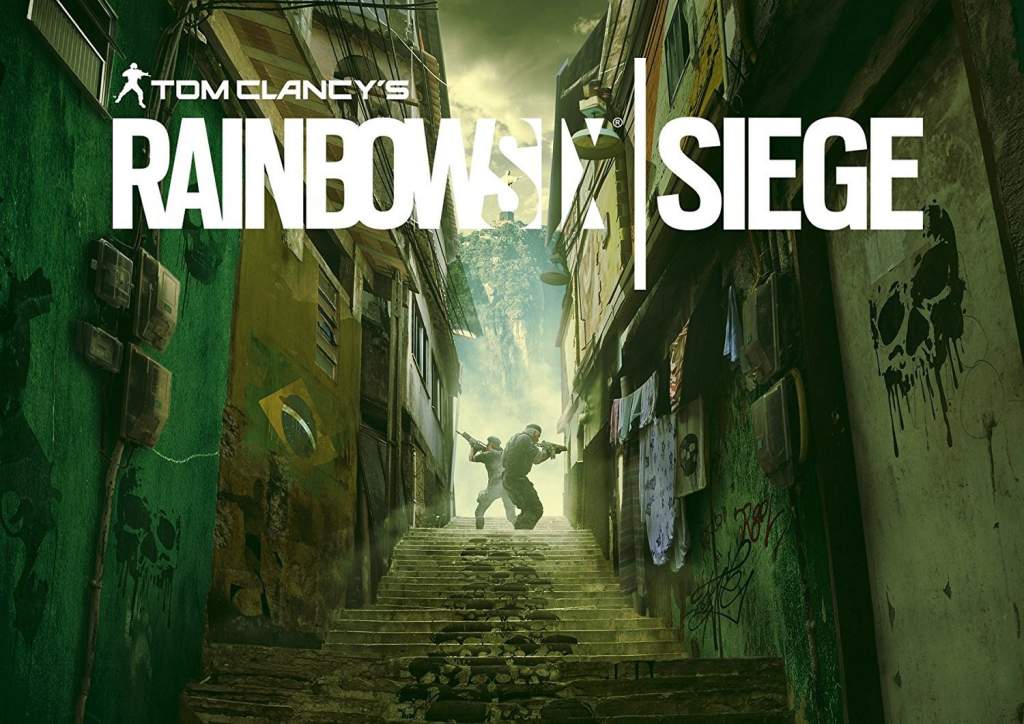
Ubisoft has been in a weird place for a while now when it comes to their single-player titles. Now, their multiplayer titles typically do well, not always, but Tom Clancy’s Rainbow Six Seige is still one of the top first-person shooter (FPS) games on the market and it launched in 2015. Where they seem to miss the mark is the cross-over of trying to bring single-player and coop-focused games into the fold of multiplayer. They almost always feel disingenuous; like trying to squeeze more money from that market that is a one-time purchase player. Has this been their fault? Not entirely, but it speaks to the ultimate crux of what I find to be their development problem. By trying to innovate these titles into a multiplayer ecosystem, they blend a lot of their features across games and miss the mark on why people like them.
Half the time, It feels like a lack of clarity. It is not necessarily sinister but unclear in the direction each franchise should be in. Their blending is haphazardous in such a way a lot of their titles are more worthy of an update than a separate game. If they tried to only deliver a fan service, it could be equally as bad. But they seem to not give each title enough time or research to see why people fell in love with previous iterations.
Ghost Recon: Wildlands and Beyond The Breaking Point
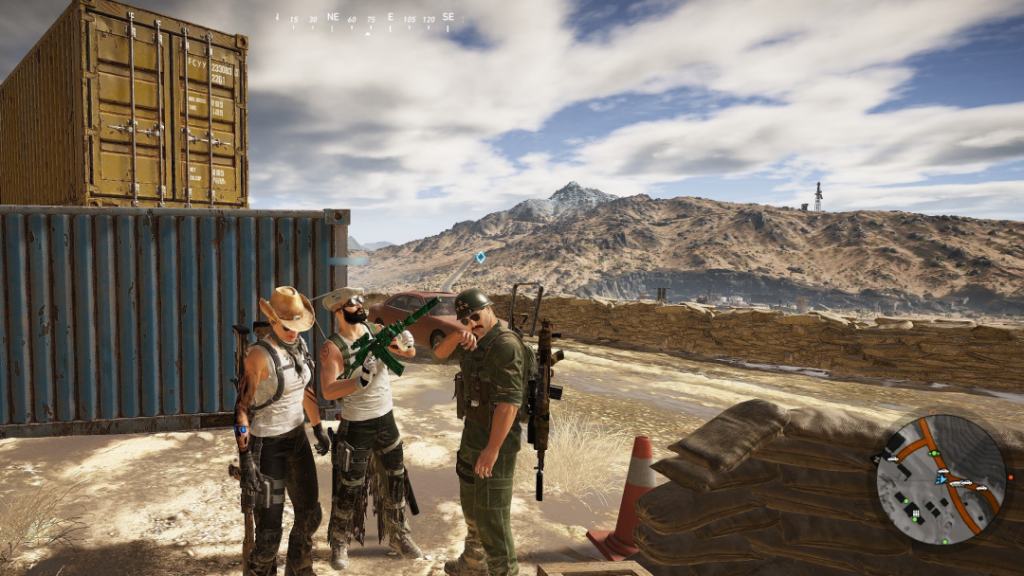
Tom Clancy’s Ghost Recon: Wildlands, what a mouthful, and Ghost Recon: Breakpoint serve as good examples for this lack of awareness. While the franchise is certainly different from the other Ghost Recon titles, it follows the same formula for leading a small squad in covert operations.
Wildlands is a fun game. It generated a niche following that remained dedicated to it and received incredibly favorable reviews. It’s not the most fleshed-out game and probably merits a review on our website, but I digress. While it lacks an impactful story, the gameplay is where it really connects. It’s not really a stealth game and more about ‘creeping’ as alerting the enemies is bound to happen and turn a stealth op into a shooting gallery at any moment. The mechanics play well and make taking out outposts, the Ubisoft gameplay staple, and engaging the enemies fun and satisfying every time. It’s very similar to Farcry but grounded more in realism and tactics. They took the ‘secure the outpost’ mechanic and added some Ghost Recon spice to make a beloved game. While the player versus player (PVP) mode was welcomed by fans, the four-player coop and single-player replayable campaign is where the real love came from for the title.
Then came Breakpoint. It was a flop, as far as I could tell on PC. It strained too far from the original title even though it was supposed to be a sequel. The realism of the environment was removed, for reasons of progressivism or not it doesn’t matter, and that setting held a lot of the paper-thin story together. Wildlands had your squad in Bolivia hunting down fictional cartel members. It was not mocking Bolivia or even being offensive and honestly, it is hardly referenced through the game but the realism was easy to accept. It set a standard that was completely ignored.
Breakpoint sent the player to some tech developer, industry island to fight drones, and a super advanced paramilitary with lead masks. Rather than keep the static weapon stats from Wildlands, were each weapon is permanently unlocked and upgraded through attachments, they initially had it tiered loot meaning you switched guns every other fight like in The Division because one level would make the same gun better in several stats. This meant it was difficult to create the class you wanted but rather forced you to use the highest level gun you found after each fight.
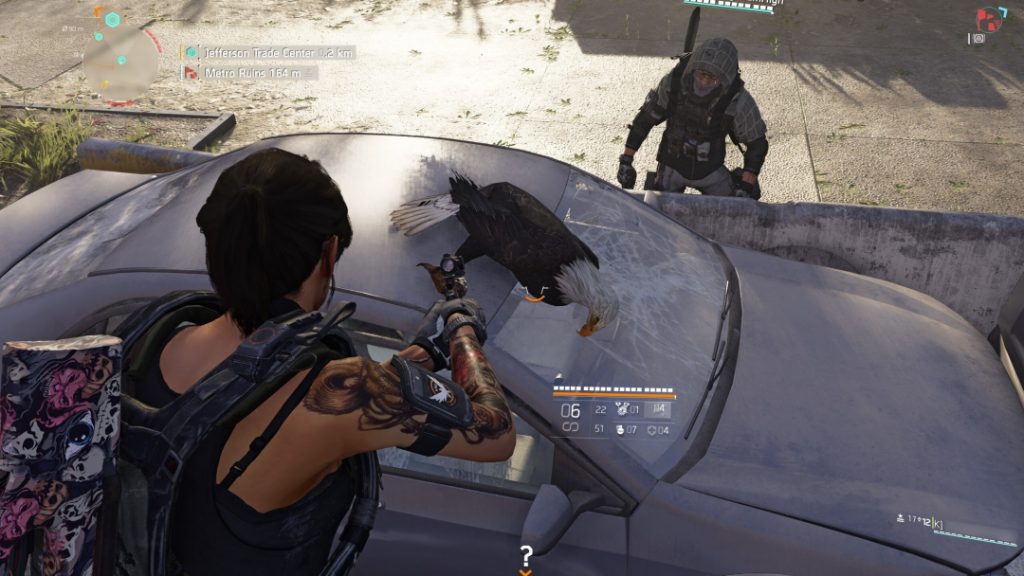
This played horribly with the game that introduced the feeling of being an operator familiar with your role in the squad, doing so removed being able to practically familiarize yourself with the weapons you wanted to master. Only after receiving horrific reviews did Breakpoint receive an update that offered in-game settings that make the game more like Wildlands loot leveling. This is insane to think about and I can only deduce it was because they did not know what players liked about the previous title or were trying to gear people up for The Division’s format. Why though? What is the point of blending the titles together that much when they already had success with the first game? It simply feels too far removed from the audience as if they stop looking at player responses unless the game is not selling. I understand they are both under the ‘Tom Clancy umbrella’ but they are separate titles.
The Erewhon location in Breakpoint is nifty to show other players across the game but why force those playing single-player to be online for either game to work? It is silly to be willing to annoy so many players just to be able to advertise in-game skins that they probably are not interested in the first place.
They managed to take the ‘secure the outpost’ game loop from Farcry and spice it up in a different way. The only issue is that they tried to blend it with concepts from The Division which was slightly more multiplayer-oriented. The issue is The Division is more of a dungeon-crawler title on the hunt for the next piece of gold loot. Yeah, sure, it’s about being a super soldier in a pandemic to secure the US, who really cares to be honest? It’s a shame that the source material for so many Ubisoft games is set in the background of Tom Clany’s literary work; yet, those games are their most story-deprived releases. They offer a good setting but blatantly rely on gameplay more than story elements as if they are just filler to go shoot at the next group of bad guys rather than compelling the player to want to know more. It is not necessarily a problem, just an observation. Just as Ubisoft does not make stealth games, they make games where you ‘creep’.
Assassin’s Need for Creed
Creeping is not a bad thing and not meant to diminish the stealth genre, but there is an obvious distinction between the AC franchise and game franchises like Splinter Cell and Metal Gear.
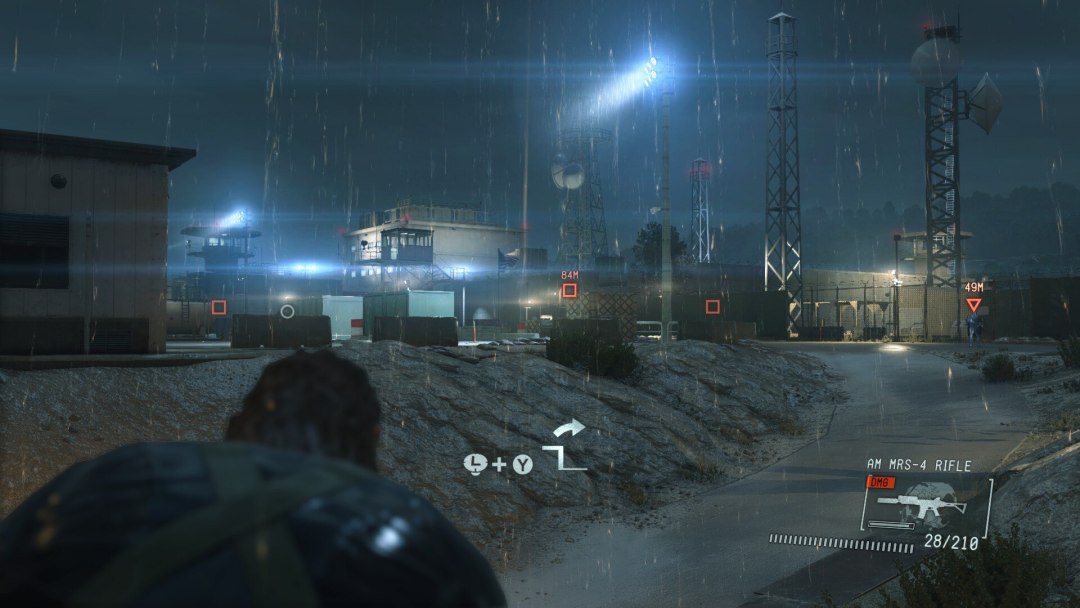
Stealth is usually the intended option but you are rarely penalized or even prevented from laying waste to every enemy in open combat. It just might be difficult. There was also not even a button to enter sneak mode/crouch for most of the AC titles. This has served Ubisoft very well and was a rewarding innovation to make a distinct style of games and launched the release of the original Assassin’s Creed into the stratosphere. To this day, however, this first title remains the most stealth-focused and as such sits higher above most of the other titles. It set the mark to be sneaky. You can handle yourself if you are discovered but sneaking remains supreme.
Then, they sort of destroyed that concert with the second game. You play as the most well-known secret assassin ever and the difficulty seemed far easier. A personal, but perhaps controversial, stance: with the second title, they began playing with multiplayer, which I thoroughly enjoyed. It was an innovation I did not think the game needed but was incredibly fun to play. Then, in my opinion, the series slouched on Ezio’s storyline rather than reinvent the franchise, and the lack of distinction between games made it feel somewhat boring. One big problem was the use of the animus. In the first game, it had its place to tell an interesting story. Yet, as the franchise went on, it seemed more like a chore so much so that in later titles it was optional.
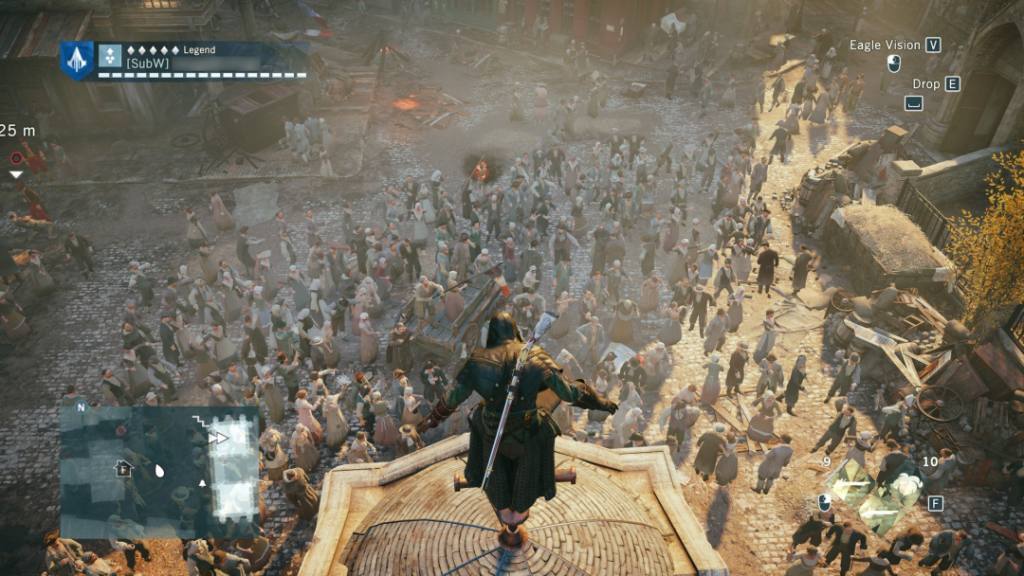
It wasn’t until Assassin’s Creed: Unity that the multiplayer crept back in in a good way. Unfortunately, because of the horrific launch it faced with glitches, the game was probably the most untouched in the franchise and left a lasting mark on the series affecting the game after, Assassin’s Creed: Syndicate. It was the first time there was a solid point of fatigue from the Studio and at probably the worst time.
Unity offered a four-player coop mode that was some of the most fun I have ever had in a game. The biggest issue was there were only about eight missions, which you could complete in a couple of hours if you were familiar with the games. It was a welcomed innovation in another Ubisoft game that began to feel more and more like their formulaic ‘capture the outpost’ game loop but called them “Eagle Tower.” I can understand trying to change up the franchise after the extreme dip in sales for those two titles and anything was better than the multiplayer cargo monstrosity introduced in Assassin’s Creed: Black Flag. The issue with trying to shake up the franchise suffered from not paying attention to what was done well.
Syndicate introduced a two-main character system no one was asking for. Personally, it felt forced. I am not harping on the inclusive nature of being able to play as either gender but that it goes further than cosmetic. The entire game I played as Evie because her perk tree was aligned with stealth, which I prefer. That’s what the franchise is about, and they learned their lesson, in more ways than one.
In Assassin’s Creed: Odyssey, you can choose your gender without any skill restrictions. What we lost was the multiplayer Unity introduced, which should be featured in all of their games. It certainly would have made the epic battles in Odyssey even more fun with friends. While I never personally played Assassin’s Creed: Origins, I have only ever heard good things about it. It took two games flopping, Unity and Syndicate, for them to have a revival of the franchise and deliver uniquely styled games that still tied into the Assassins Creed universe.
So began the slouch again as Assassin’s Creed: Valhalla has been on my watchlist to play because I have only been told it is largely much of the same and 30+ hours too long. I tend to agree with the ‘too much the same’ opinion because while Odyssey lessened the need for stealth, that Syndicate spearheaded, Valhalla seems to be entirely combat-driven and not too supportive of the stealth environment. It feels like in the chase to make good games, they forgot why they were running.
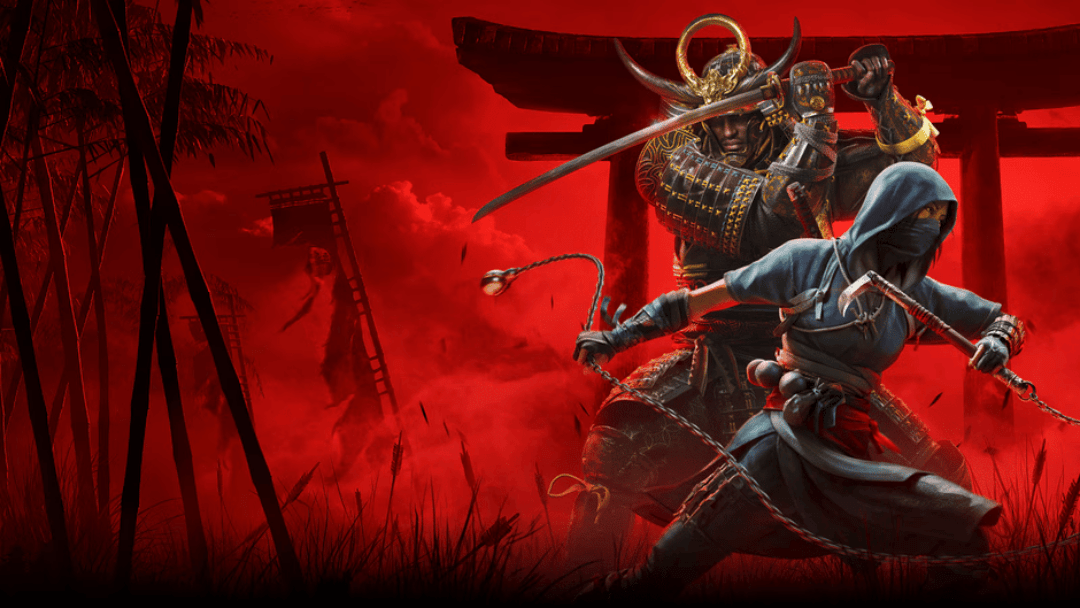
There has been a lot of focus on the latest release, Assassin’s Creed: Shadows, mainly from the Ubisoft team’s seemingly incongruent historical depictions for the sake of political correctness. The team has previously been praised for the meticulous nature of historical accuracy when depicting architecture and personalities of Western culture. While the games themselves offer alternate historical and even science-fiction storylines, they are usually surrounded by true historical events and locations. Difficult work they usually earn praise for but have seemed to drop the ball when it comes to Japan.
I can understand the frustration of the Japanese people because of the comparisons with the level of care other cultures receive, but how did we get here? It seems crude to suggest that in Japan the main character who is a Sumrai would be depicted as a black man for the sake of political correctness. It should seem even more thoughtless to have a character who is a samurai in this game at all. This is Assassin’s Creed we are talking about. You should only play as a ninja. I am furious that it took them this long for them to make a game about probably the most famous group of assassins in history and then share half the playtime as their literal antithesis. Think about it, you played as a Viking before you were given the option to be a ninja. In the first game, you stop your master’s plot to use alien technology to rule the world, of course, I don’t expect them to be concerned with historical accuracy and that is their blunder for exposing how they value Eastern cultures but it is the effect of their seemingly continuous lack of care for the franchise as a whole and the inability or lack of care for their consumers. I hope Shadows is good but I am not holding my breath.
The Bigger They Are…
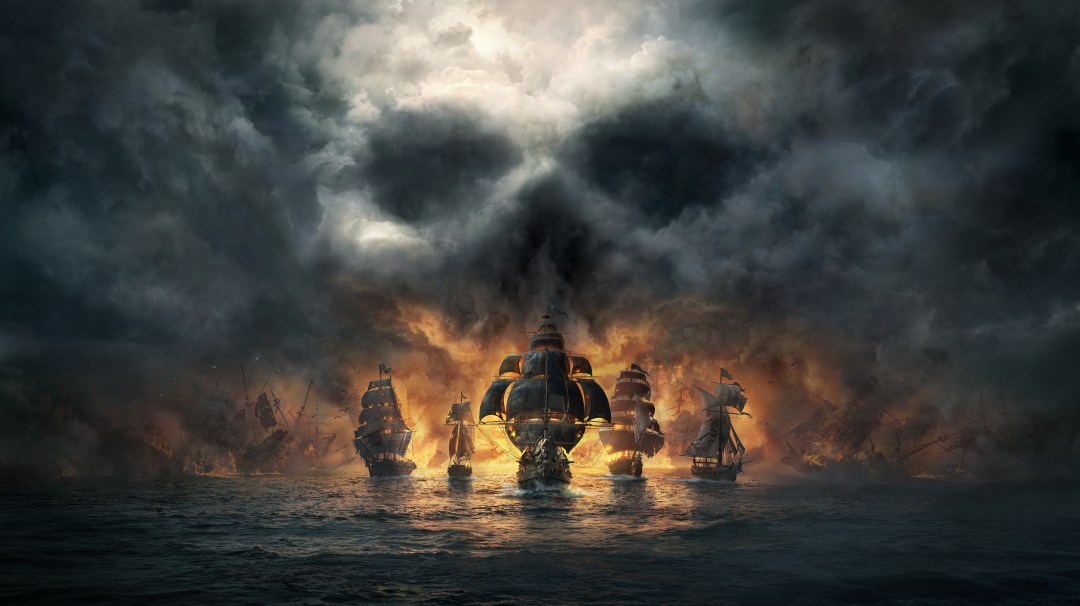
No, we are not done yet but getting close. These next two games are the lynchpin to their recent lack of awareness. At least I hope it is a lack of awareness and not intended as malicious money-grabbing. Ubisoft made the first AAAA game, or at least they think it is: Skull and Bones. As of right now Steam has it at 65% positive reviews leaving it with an overall ‘mixed’ score. I do not know anyone who owns this game or anyone looking to buy it. The quadruple A title was used to justify the price being $70 for an MMO, which usually offers a free version at least to demo the game and its key features. Yeah, that never happened with this masterpiece (of ****).
While the recent trend of major studios making MMO titles is because they make continuous piles of cash, they are almost all not great, not terrible, but usually not worth it. Usually, branding beloved IP with broken games to make a buck and news of a new MMO from a major developer sends me running for the hills nowadays. Those games aren’t my favorite type, except for Runescape, but I can certainly understand their appeal. This is a funny coincidence because, after the AAAA flop, Ubisoft delved headfirst into releasing Star Wars: Outlaws only a few months later, which suffered a similar fate. I think they entered another type of fatigue trying to continuously deliver.
I like Ubisoft games. I’ll buy Valhalla when it goes on sale. The problem Ubisoft faces comes from this removal of what their players enjoy. Do they like Star Wars? Sure, but you have to deliver a good game, especially after the licensing was lifted from EA. It is annoying to defend Ubisoft games with the caveat that “You should probably just buy it on sale,” for most of their titles. Unfortunately, that is the result.
It becomes doubly annoying when the great things they do get ignored and thrown away, never to be seen in another iteration. Right now, Shadows has favorable reviews on Steam with the major complaint being that they are forcing players to be connected to Ubisoft to play this single-player game. Where have we seen that before? Here’s to hoping they can turn the corner and at the very least drop Ubisoft Connect.

By Nash Moorer

 Off the Shelf Media
Leave a comment