
Genre: Open world, RPG
Developer: Nintendo
Publisher: Nintendo
Release Date: March 3, 2017
Players: Single-Player
Review Date: April 3, 2025
Format: Nintendo Switch
Playtime (To Date): 20+ hrs
MSRP (To Date): $59.99
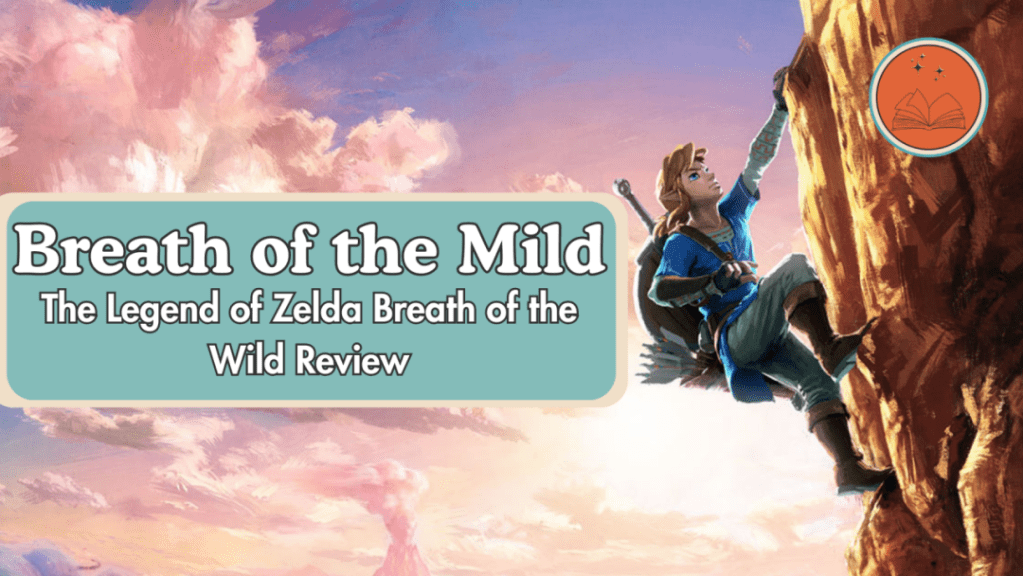
The Legend of Zelda: Breath of the Wild shook the gaming community and managed to secure every possible award and perfect review imaginable upon release in 2017. It heralded a new age for Nintendo, one that seemed to be adapting to the changing demand of players and the gaming market. It acted as the keystone to the Nintendo masterplan to create a flawless game for a mobile/household gaming system. It was the crowning jewel of the Switch. I agree that the game is good, but is it really that good?
Gameplay: 1
No, it is not. The controls are simply okay. Zelda titles typically have a more simplistic system to cater to the younger audience. Simple is not bad, and the combat is relatively fluid and works as a whole but is burdened by its repetitive nature. Every fight begins to feel the same early into the game as the diversity of enemies dwindles to a few only several hours in. Usually, this would not be such a critique, but in Breath of the Wild, every weapon has a durability rating that will become the bane of your existence.
This is by no means a new feature in games but one that was very much going out the door of the videogame world. Weapon durability had largely been viewed as more tedious than adding a dynamic feature to games, with the trend of removing the feature becoming increasingly common. Yes, the Master Sword does not break but has a limited use before needing to be recharged.
The newest feature of this Zelda title came in the form of its open-world format. I can think of few titles that offer such an open world from the beginning of the game. You can go anywhere and even venture to fight Calamity Ganon, the central villain, immediately after leaving the tutorial zone. I am a huge fan of the open-world game design.
Typically, it offers more options for replayability as your knowledge of the game grows; you can decide to make different choices or the timing of areas to explore to alter how the story might unfold. While you can openly travel almost everywhere unrestricted in Breath of the Wild, it all feels somewhat empty. The intrigue of the world loses its luster the longer you play, especially when the most ‘unique’ thing you will run across are some of the 900 Korok seeds that expand your inventory slots for weapons.
The open world quickly feels like a hollow one, given the title to excuse the emptiness. The shrines themselves fall victim to this mind-numbing, repetitive design as well, assuming again they are more simple to cater to the younger audience. Yet, truly, they are all too easy, save for two. The first is the Keo Ruug Shrine, which I will not spoil but do not mistake that for it being exciting. The second is Eventide Island. This Island strips Link of all his weapons, armor, and resources to scavenge and survive in order to complete it. I strongly recommend doing this part late into the game when you have acquired more hearts and stamina to help balance the lack of equipment you have come to rely on. I fell victim to this myself as it was one of the first shrines I ever had done while I tested the true nature of the open-world claims and explored the edges of the map. I got wrecked and came back much later in my playthrough to complete it.

Story: 1
While that was an incredibly personal account, it speaks to the nature of the Zelda titles vs the open-world concept. This type of game design lends itself to offering multiple options and rewards for problem-solving. Typically bound by some type of moral impact as well. Looking at the GTA franchise and the Elder Scrolls Franchise, they do excellent jobs at allowing this fluidity of choice to remain in the player’s hands while also changing how the game will play out based on those actions, changing rewards, storylines, and dialogue in many of those missions or objectives. Link, however, is locked into a specific moral corridor that you, as the player, are forced to live up to.
Is the story bad? No, it is interesting to solve the amnesia as the story progresses, but it feels less valuable because of the world. Thinking back on The Legend of Zelda: Ocarina of Time and The Legend of Zelda: The Wind Waker, my two personal and most played Zelda games, the story does not have the same feeling of peril or supremacy of the dark forces of Ganon. Living in those worlds directly impacted by Ganon’s rise to power moves the seriousness of the story to the forefront of everything you do. Yes, you have the option to ignore the main story in both of those much older titles, but you can never fully escape it.
If the player is going to be locked into the type of choices they make, then the game should have more rails or, at the very least, stronger suggestions as to the direction you need to head towards. I try to avoid looking things up online in open-world type of games to experience everything fresh but the lack of construction direction in this game leaves me not too concerned with what is going on or fully invested in it.
Atmosphere: 2
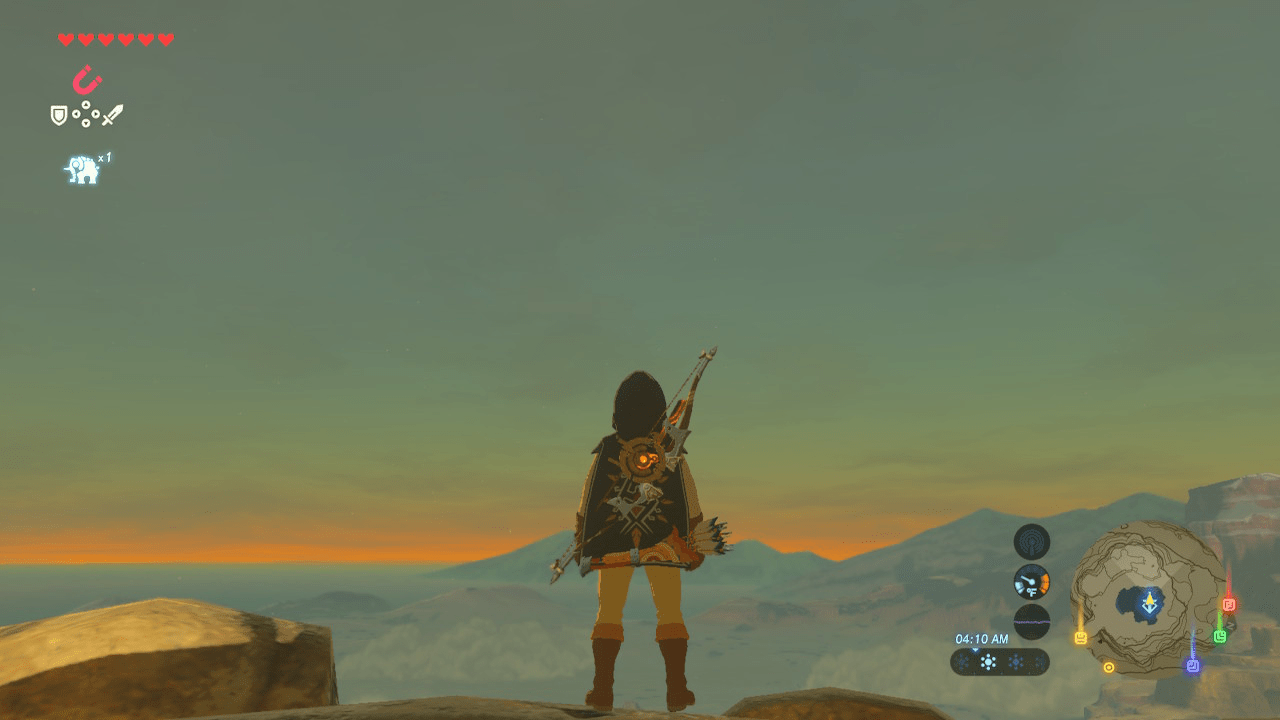
What the open-world design does in Breath of the Wild is absorb you into Hyrule. The simplistic art style and design are flawless and help the game perform well on the underpowered Switch, even in handheld mode. The flaw of pulling the player away from the story directly comes from the design of the world. The paraglider introduced a mechanic for travel, which may not be the first game to do it, but its style has been copied almost exactly in countless open-world titles since. The world feels believable in the Zelda universe, and I think the glint of the design allowed for so many reviews to prop up other parts of the game higher on the scale and remove a large degree of analysis.
Value: 1
On release, maybe it was worth the $60 price tag. Today, however, it is the keystone of the Nintendo never-discounted wall of sales. Nintendo does not like to share its IP with anyone else, which I can understand, and I do not personally have anything against that practice. A result of that is that Nintendo has a different targeted audience. One I would define more as the casual gamer and thus most of their titles are family-oriented and often simple in design and playstyle.
This is not a bad thing in and of itself, but if you break the barrier of content outside of Nintendo, it is hard to justify their pricing with the quality, scope, and scale of other videogame developers. What Nintendo likes to call “new” is usually just new for them and excludes every game being created. As such, they price their own work consistently, and what few sales they do have make a minimal impact on price, especially considering this game is eight years old and still selling at full price. It is an illusion of quality, which again I can understand, but I do not think it is a justification to continue it, as we are on the heels of the Switch 2 release. For our thoughts in the Switch 2 news, check out this article.
Duration: 2
You can complete the game in 3 hours or 300 hours. It is entirely up to you. Could not have a better system here, and each option feels organic in the game. A speed run that exploits system glitches I am certain exists, but either option of how you choose to defeat the big bad feels genuine with normal game progression.
Total Score: 7/10
If I lived inside of a Nintendo bubble, Breath of the Wild would easily receive a perfect score. I think the reaction from many consumers with such high scores exists because they most likely do have blinders on for the larger gaming world or are simply a larger young audience that does not have as much experience with the open-world genre.
While GTA V and The Elder Scrolls V: Skyrim are probably the golden standard of open-world RPG’s and have become the punchline of countless re-release jokes, they are deserving of both. The issue is that they came out years before Breath of the Wild, Skyrim for the Switch was even released the same year, and even Fallout 4 came out two years before. Those titles are far more worthy of a high price tag but are often discounted purely because of how long they have been on the market. You cannot play those titles and think Breath of the Wild should be held in as high regard.
Nintendo made an honest try in the genre, and it should have been celebrated, but it can only come off as disingenuous to me for the incongruent praise and pricing of a game that simply does not deliver as much. The utter lack of direction is an honest mistake that I think is better than the train track progression the franchise is more known for but I definitely defeated the four Divine Beats in the wrong order making the first battle feel impossible, the second one a joke of how easy it was, the third near impossible, and the last entirely uneventful. They most likely need to be more forward with mere suggestions on where to go, but this mechanic also impacts the story design on relevancy compared to the draw of gameplay and simple exploration.

This disingenuous ranking and praise left a sour note in my mind with Nintendo games as a whole. They seem not to deliver as much as I would like, feelings I think are more frequently shared as information comes out about the Switch 2. I still think Mario Kart is the greatest racing game franchise and nothing can beat a long night of Mario Party or WarioWare but when they open the gates to offer other major titles on their market, it is hard to say yes to Breath of the Wild when Skyrim is half the price.

By Nash Moorer



 Off the Shelf Media
Leave a comment