

Genre: RPG
Developer: Bethesda Game Studios
Publisher: Bethesda Softworks
Release Date: March 20, 2006
Players: Single-Player
Review Date: April 16, 2025
Format: PC, Xbox 360, PlayStation 3
Playtime: 100+ hrs
MSRP: $14.99
After the massive success of Elder Scrolls III: Morrowind, the gaming world waited on bated breath for the next iteration of the franchise. What came along managed to demolish expectations in the form of The Elder Scrolls IV: Oblivion.
It delivered on the limitations of the previous game and made every interaction possible more fluid, from dialogue to combat; they had taken an already incredible system and managed to hone something even better. To this day, it remains as fun and easy to play as it did on release, especially with the dedication of the modding community surrounding the Elder Scrolls franchise.
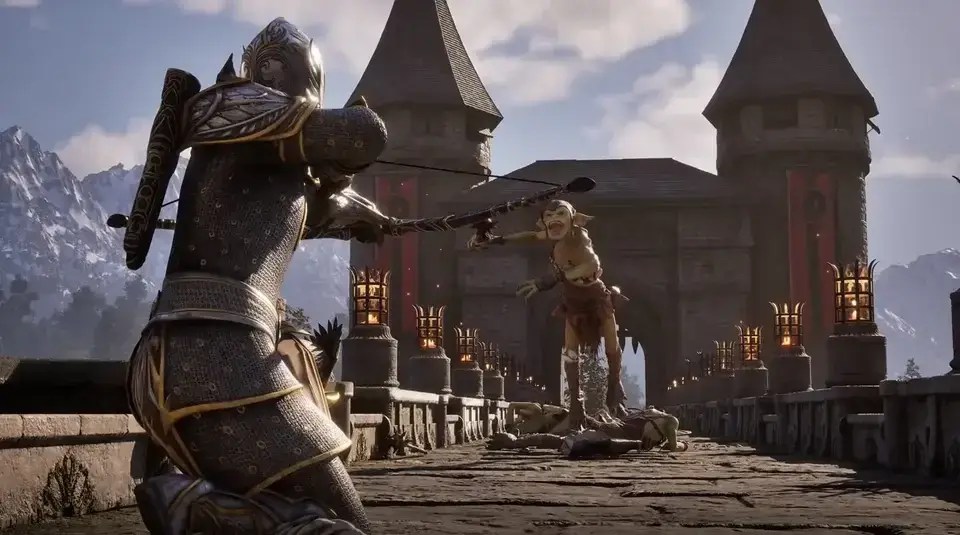
The rumored remastered edition was recently confirmed when promotional images were found hidden in the web files of another game developer’s website. Personally, I could not be more excited for the news, but let us take a moment to analyze what made Oblivion so good in the first place.
Gameplay: 1
I never said it was perfect; it was just one of the greatest games ever made. A lot of the issues one might have found with Morrowind can be linked directly to age, but when it comes to Oblivion, there is one major issue: the leveling system.
My first playthrough, so many years ago, went relatively unnoticed. After all, the game is massive, and maxing out a character’s level is an impressive task on its own. By my second playthrough, however, I began to notice a recurring issue.
Follow along for a second because we have to go down a rabbit hole. At the start of each game, you can customize your character in terms of name, race, birthsign, and class/skills. Leveling is entirely based on your exposure to those skills, The major skills will level your character faster as well as receive a small boost when you start the game. The minor skills will also level up your character, but at a slower rate. Both depend on your use of those skills.
For instance, if you choose alchemy as a major skill and brew a ton of potions, then your character will level up quickly. Each time you rest, you will level up and select attributes to increase. Your exposure to those skills can also land you bonuses, turning a single point gain into a possible five-point gain, except for luck, because, well, how do you train luck? Most of the enemies are not static in the game, meaning they change and level up with you. This is where the issue occurs.
If you level up poorly, the game can quickly become far more difficult as your level increases, and I mean, you really have to min/max the system. You would expect combat to become somewhat easier as you become stronger, but if that is not your main focus in leveling, they can quickly surpass you with the level cap. There are points in the game when enemy types will change with your level to make it feel more dynamic, but if you do not move your attacks in line with the enemy’s, then you can ruin a playthrough, and you probably won’t know until you have dumped many hours into the game.
You may also notice that even if you do manage to properly level up, the enemies are still damage sponges. I am not joking, you can fight a single enemy for three minutes, trading blows like Frye vs. Takayama, and I’m talking about having to go to the menus to repair your weapons and armor mid-fight just for a single enemy. It won’t be the type of scenario you have a chance of losing, either, but you will still have to go slug it out until they are defeated. Reason enough as to why the repair skill was later replaced with armorer in The Elder Scrolls V: Skyrim.
The system is not entirely broken, as you can go in and play around with it to make sure it works for you. Many helpful guides exist, and I am willing to bet a mod or two exists, but I will leave that sleuthing in your hands. The issue is that none of this is ever addressed in the game and will only be discovered when you reach mid to late game. This makes it a pretty big issue that went ignored, and hopefully is addressed in the release of the remastered edition.
A big issue certainly, but the improvements of this game were all a step in the right direction that changed the RPG world. They introduced quest markers and improved the journal so missions were easy to follow and pick back up if you had changed your path for another mission. While sometimes the markers might make missions a little too simple, it streamlined the process and, compared to the vague descriptions in Morrowind, which is now essentially how the journal works in hardcore mode in Kingdom Come: Deliverance II, made the game as a whole more enjoyable. The interactive lockpick and dialogue minigames added another level of interaction, which was a needed step in the right direction and not as daunting as others might suggest.
There are always tradeoffs when trying to streamline, but as a whole, the work they put in was a massive success. Not a perfect implementation, but the vast majority remains highly functional and playable to this day. Yes, the cities have loading screens, and you cannot levitate anymore; spears disappeared for some reason. They begin to sound nitpicky after a while, and while I do understand their validity, so much was done as a positive, the score should reflect that.
Story: 2
I have heard a lot of opinions on the story for this game, nothing saying it was bad, now let me address the biggest possible issue. Fair warning, there will be spoilers ahead.
You sort of feel like a sidekick in this game. Do not get me wrong, you become an all-powerful dreadlord as you play, but the main quest does not really focus on you, but on Martin Septim.
From the beginning, you are focused on protecting him and gathering intelligence and forces to help him relight the dragonfires. In Morrowind, you are/could be the reincarnation of a general, and your efforts are center stage; no doubt, you are the main character. In Oblivion, you might be knee deep in a moth-priest cave and ask yourself how you became a priest’s errand boy. Now that is a bit of an exaggeration, but worth noting, as in Skyrim, you become the Dragonborn and, much like Morrowind, are the focus of the game.
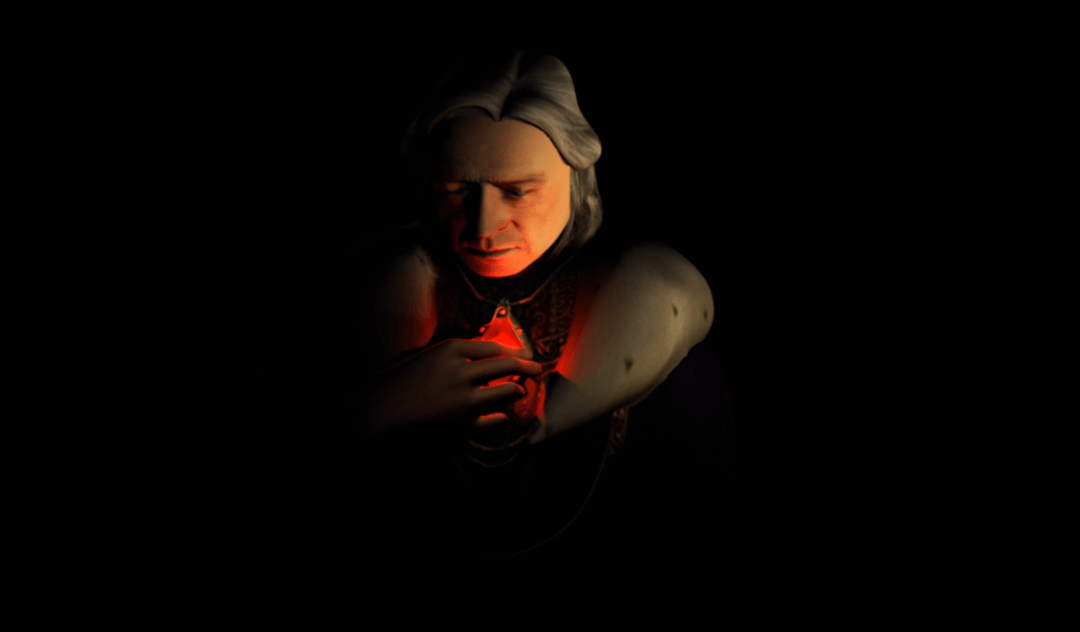
Personally, I think the Grayfox questline would have been a more fitting main storyline but that’s why Oblivion gets a perfect score: that quest exists in the game. So many unforgettable and original stories and dynamic characters make it impossible to discredit the entire game because the main quest is a toss-up between good and incredible. So good, in fact, they had to bring back Lucien Lachance. So, yes, you might have to pick up a few more nirnroots than you like, but altogether this game would make a great book.
Atmosphere: 2
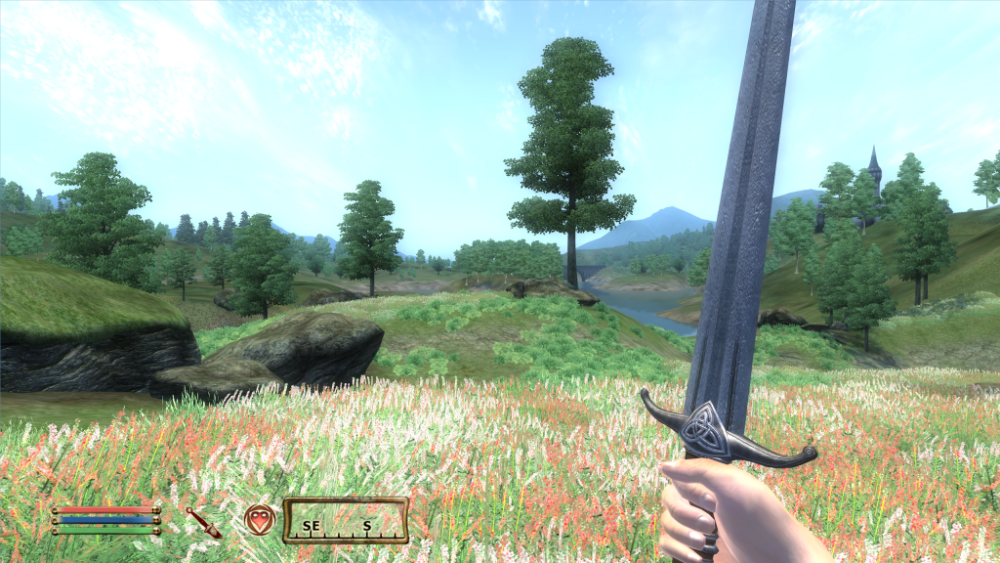
They knocked it out of the park. The giant forests, coastline, and mountain ranges are perfectly contrasted with the daedric plain of Oblivion. That is only a glimpse of all the incredible landscapes you will come across and the diversity each city has, which not even Skyrim managed to offer as much in its towns. It may not seem as impressive now, but when this game was first released, I remember yelling across our house to my brother to show him how if you shot an arrow at a rock with snow on top the arrow would stay in place. The simple mastery of design for that time cannot go understated.
Then you get to the face design. Probably the worst part about the atmosphere of this game. It can be exploited to a massive degree when you begin your character creation, it might in fact be the first time you see an unobstructed face in the game. They sort of look like melted plastic or Mr, Potato Head.
At the time of its release, I never really noticed, but looking back, it is what dates this game the most. It certainly experiences a bit of hyperbole on the internet at large, but one cannot talk Oblivion atmosphere and not mention the style of the NPCs.
The physics of objects in the game is also cool for the time, as gravity plays a part in any item you drop outside of your inventory (except paintbrushes) or find lying around. A cool detail that made the game feel so much more real and impressive. Like all good things, it can be exploited, but be warned, it can also be the quickest way to crash your game.
Value: 2
It was worth every penny on release in a time when the physical copies were actually limited. I would argue the same today, especially when it’s a quarter of the price for the full game. The DLC was some of, if not the best, DLC ever released, but also an important historical landmark.
Yes, we are talking about the Horse Armor. It was the first iteration of the microtransaction, which only offered a cosmetic overlay for any of your owned mounts and 500 in-game gold. The real price tag was $2.50 on release and received a lot of terrible criticism, but hey, we still bought it. They had to make their money back anyway because before DLC was digital, many of the discs could be used on multiple consoles, and you only had to download it once.
Yes, it introduced a money-sapping marketing tactic that has plagued the videogame world since, but someone was bound to do it anyway. It balances out pretty well with the undervalued Shivering Isles DLC, it would have been worth a full price tag on its own. If the game were released today, I get that they would have made it a spin-off title.
Duration: 2
The game can be as long or as short as you want it to be. A few Main Story quests can even be ignored. That being said, you will be playing for a long time. Unfortunately, most of my playtime is on my old 360, so I do not know the exact time, but I would be willing to put it on the 400-hour mark.
The replay value is also incredibly high, with the amount of diversity, many of the quests can be approached with your playstyle. It also feels organic each playthrough you try, as the decisions you make based on your skills can effectively work in most quests that are not hardlined by a stealth objective or skill requirement. My advice is not to try and shut all the oblivion gates by yourself because they spawn randomly and will take a long time to complete.
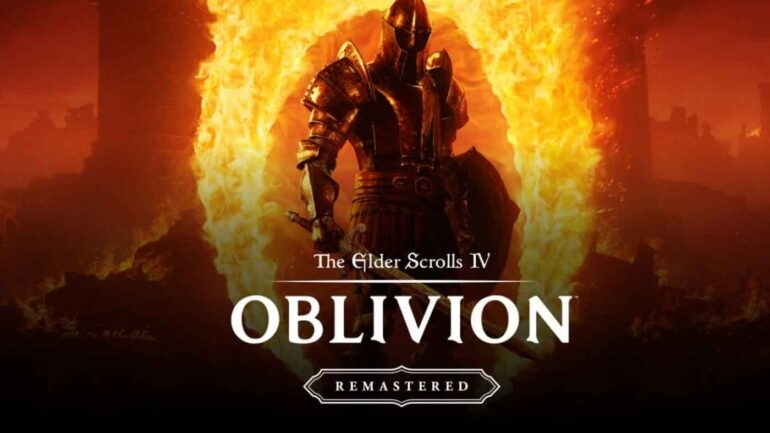
Total Score: 9/10
If the remastered edition was slated five years ago, I would be filled with nothing but excitement. Unfortunately, with the history of recent ‘remastered’ games, I am left waiting. I may have preordered the game the first time around, when it originally had a ‘teen’ rating, but fiascos like
STAR WARS: Battlefront Classic Collection and Grand Theft Auto: The Trilogy have me nervous; this could be another flop. Especially with the amount of leaked information surrounding this one.
It feels like they are crowd testing how anticipated the title is, if they should make it at all, or how many resources to sink into it. On the other hand, iterations like Silent Hill 2 prove that remakes can work, especially if you ask our team.
It would make me feel a lot better if this were a remake and not just a remastered edition. The difference being that a remake, well, a little obvious, they remake the game not only to work better but also alter the mechanics so it plays differently than the original. Remasters tend to only focus on basic user interface (UI) and graphics updates. It usually feels somewhat disingenuous.
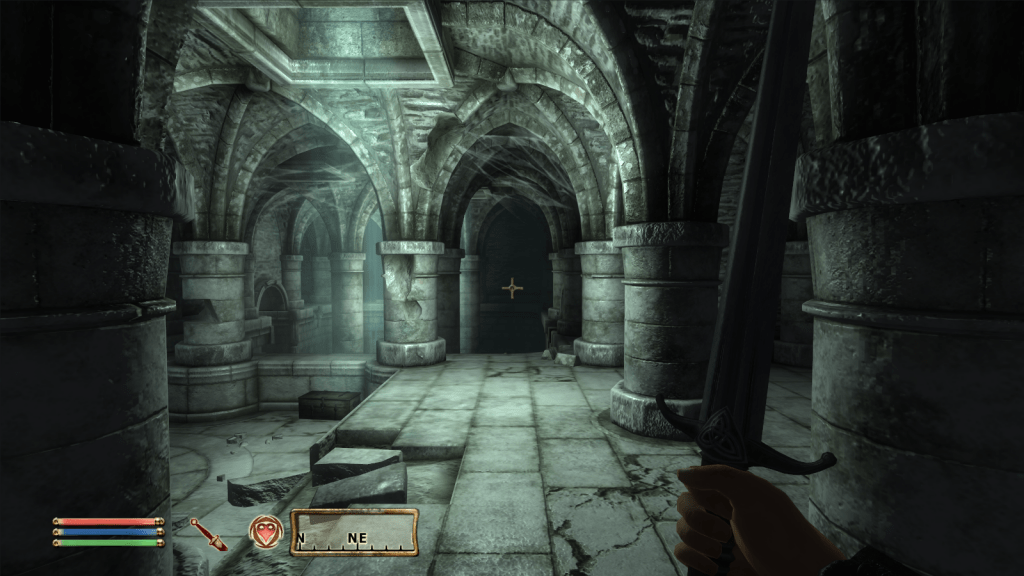
It is also an arena with other competitors for probably the first time for a remastered title. For years, a dedicated team of modders has been working on Skyblivion: a fusion of Skyrim mechanics and the Oblivion setting. No small task, and they are scheduled to finish this year, and even going a step further by resurrecting many of the locations and quests that had to be removed from Oblivion to meet its release schedule. Hopefully, it serves as a trial by fire for companies to take these rehashes more seriously, and while I do have to rein in my Bethesda bias, whatever happens will leave us with two versions of Oblivion to play.

By Nash Moorer



 Off the Shelf Media
Leave a comment