
Making just one good movie is difficult, especially as the movie Industry is in an interesting place. Off the cuff, my intuition would be to call them generally bad, but after a more critical review, that is not true.
The modern stage for movies feels well out of any Golden Age, but that does not mean we are in the midst of the worst age to ever afflict the industry. It is a time of growing pains.
Streaming brought about a unique time by giving such easy access to an almost unlimited database of movies and TV shows. Now, as it turns more and more into cable with the passing of each app rename, the film industry is trying to adapt as fewer people go to the theater to stay at home. Suffice to say, conflicting ideals for writers, directors, and executives today bring about a different style to meet the needs of all three, leaving the audience somewhat starved while also having easy access to the great movies of yesteryear.
No, you are not feeling more nostalgic, but rather experiencing the growing pains that hurt everyone. It has never been easy to make a single good movie, harder to do it twice, but three times is next to impossible.
That is why I sat down and tried to compile my list of perfect trilogies. A movie series that manages to pull off what seems impossible in three sequential installments. For weighing these trilogies, I followed one general guideline: The movies have to take place in order in a series. Whether it be three movies or seven, so long as they were released in order, they could be considered. I tried to take into account the consensus of audiences, but ultimately, you will find more upset opinions online than positive ones. People are more likely to share a bad experience than share a positive one that is just as easy to experience.
Without further ado here is my list of perfect Trilogies:
The Dollars Trilogy
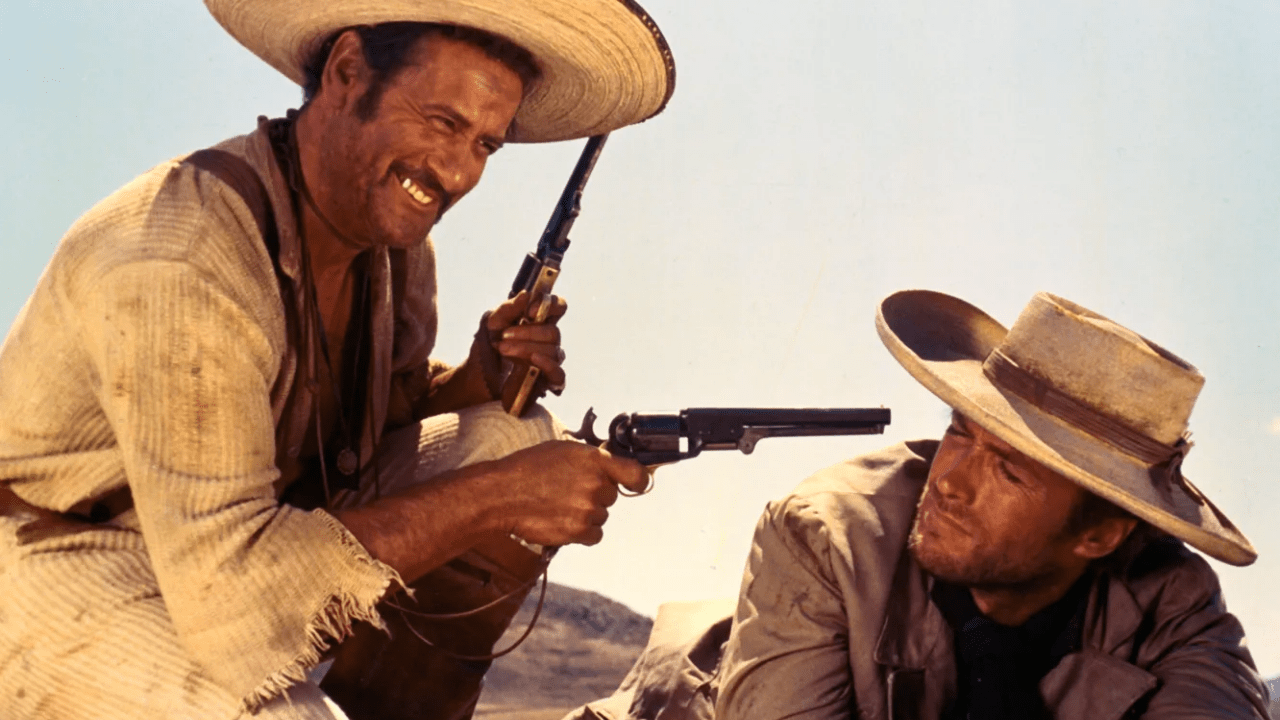
First off, we are kicking it off old school. Probably the most well-known Clint Eastwood movies, for good reason, this series is comprised of A Fist Full of Dollars (1964), For a Few Dollars More (1965), and finally The Good, the Bad and the Ugly (1966).
This trilogy was genre-redefining and set the stage for Clint Eastwood’s masterful delivery in not only westerns, but also the no-nonsense, gritty personality that almost all of his characters have. What it does specifically that sets it apart is escalation. The first movie sets a familiar stage with lower stakes. Those in the theaters at the time of release would have felt right at home in the setting. The concept was familiar enough to offer comfort to the audience while also introducing a character type that went beyond the common established hero type. ‘The Man with No Name’ was gritty, a master of form, and always collected. The next two movies build and expand on what feels like a legend for the character. Each increases the stakes, probably aligned with an increased budget, but manages to stay within the realm of realism that the movies establish.
Pirates of the Caribbean (1, 2, & 3)
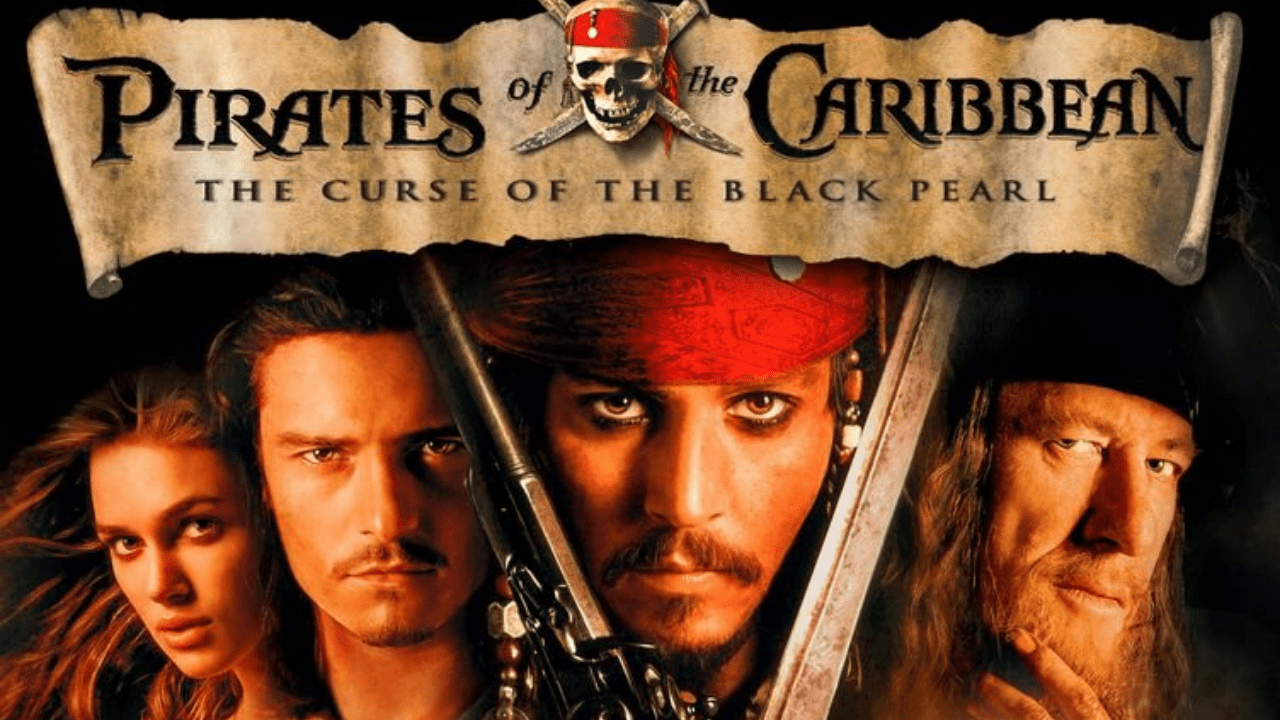
In Pirates of the Caribbean: The Curse of the Black Pearl, the audience is slowly driven into a fantasy world of pirates that pulls from the vague understanding of the Caribbean Islands under British Colonialism. Everything is familiar but obviously unique. As the first movie slowly evolves from quasi-realism into seafarer myth, the pace allows the audience to discover how far the myths go and where each of the dynamic characters will end.
Each movie juggles multiple plot lines and thrives on the selfishness and agency the characters have. Dead Man’s Chest builds on these themes and establishes more backstory surrounding Jack Sparrow, played by Johnny Depp. Elements of the storyline that will remain in the third movie, At World’s End. The main complaint surrounding the third movie, which I have come across, is that it is hard to follow. This seems a little lazy to me. As an eleven-year-old, I never had an issue understanding the movie when it first released. Almost every point of confusion I have come across is tied directly to dialogue in the movie. It mostly falls down to how much you, as an audience member, want to believe the speaker. It only remains confusing if you do not finish the movie.
I think it is only fair to offer a warning related to the entire series. While the first three remain perfect as a trilogy, the subsequent movies are terrible. Void of Elizabeth Swan, played by Keira Knightley, and Will Turner Jr., played by Orlando Bloom, the stories lose their grounding. The height of escalation in the Third film remains too familiar and wrapped up for the series to continue in a trajectory that follows a well-developed storyline. The First movie may have been intended as a standalone film, but it is seamless across the next two. The same cannot be said for the movies after At World’s End.
Die Hard (Die Hard, Die Hard 2, Die Hard with a Vengeance)

Probably the most well-known work of Bruce Willis, this series is the epitome of action movies and continued escalation.
Playing the role of a down-on-his-luck cop, John McClane always seems to have circumstances go from bad to worse. The charismatic villains use highly trained teams and in-depth planning during the crimes they commit, but are ultimately defeated by what seems like nothing more than a beat cop caught in the crosshairs.
For me, the first three movies retain enough consistency to remain familiar while also escalating and building on the action from the previous movies to remain engaging without leaning too far into the absurd. The fourth and fifth movies feel like they take it a bit too far to be relatable. They lose the “everyman” feeling that the first three movies used to engross the audience and become completely indistinct from the impossible. It is only a critique because the groundwork of the first movies were defined by these realistic elements.
The Lord of the Rings

Probably the greatest trilogy ever created, Peter Jackson managed to bring the full weight of Tolkien’s epic novels to the silver screen. You won’t see many movies shot back-to-back, but when the source material is that good, there isn’t any other way to do it.
The perfect casting and set management certainly help. If you haven’t heard about these movies, there is not much I can say other than watch them in the next 12 hours you have free. This also makes Orlando Bloom the only actor on this list playing a lead role in each movie in two separate trilogies.
That’s a Wrap
There certainly are a lot of possible contenders and incredible trilogies out there. I’m sure your list will look different than mine, which is perfectly okay. I certainly have not seen every movie series out there, probably too many to be honest, but I tried to find a consensus not only with my own interests but also of those around me. These series managed to pass that test.
You may notice the list is still incredibly short, proving how hard it is to make a single movie good, but also to set the stage for two other movies to be on par with the massive success of the first. If you are still interested in other trilogies, keep reading below, where I give a quick take on why some popular series did not make the cut. Be sure to let us know what you think in the comments and on our socials.
Honorable Mentions
Star Wars: One of my favorite series. Sadly, each set of trilogies has at least one movie or major plot issue that is too large to ignore. A New Hope feels egregiously like a standalone movie, and only barely fits in with 5 and 6. Phantom Menace has midichlorians, which, let’s be honest, is stupid and strays away from the mystical nature of the Force that makes it captivating. The newest trilogy does not have a good movie.
Harry Potter: Another incredible movie series that missed the mark. Personally, I would have included the first three on the list, but the fanbase of these movies and books is probably the most tumultuous community I have encountered. Every person has an opinion on what should not have been removed from the books, and few of the directors actually read them. The largest issue from a technical perspective was the inconsistency and use of magic across the series. There clearly was no consensus between writers or directors on what spells do what, and several were invented entirely for the movies. Probably the best eight movie series ever made, by a mile, but without three perfect ones in a row.
The Hobbit: Unfortunately, the Hobbit series seemed like it did not have enough source material for three full movies. It probably would have made an excellent two-part movie series, but the lack of content had additions not from the book that felt out of place.
Indiana Jones: The first two are incredible, the third just doesn’t bring the same energy. This might be a less common opinion online, but most people seem to have an issue with the Temple of Doom. I was of a similar opinion until I recently rewatched them. Either way, they lack three perfect movies in order, as the last two strayed too far from good.
James Bond: Personally, I think Goldeneye, Tomorrow Never Dies, and The World is Not Enough, starring Pierce Brosnan, have the best credence to be on the list, but finding consensus among the James Bond community is close to the Harry Potter one. Each movie also falls victim to time in terms of comedy and writing.
Rush Hour: Referred to as “the cultural glue that holds together America” by me, sadly, the third film feels distant from the series. While still a good movie, I think too much time passed between the releases.
Austin Powers: I really enjoy all three, but most people dislike Goldmember or do not hold it in as high regard. To be honest, it does have a certain “finish the damn series” feel near the end of the movie. Still one of the most quoted series ever created, but what do you expect from the mind behind Wayne’s World.
Twilight: Yes, I have seen them all, and I would like to remain happily married, so I will keep this brief as to why it does make the cut. It is the most undeniable issue with the movies that even a die-hard (it’s called a callback) fan cannot ignore: The running animation.
Toy Story: The first two movies are some of the best animated movies ever made, but after the second, they seem to taper off.
The Godfather: Part III
Mad Max: Thunderdome
John Wick: I love these movies, but each addition to the series removes too much mystique. The workforce behind the hidden assassin world just becomes too massive by the third movie. It has good world-building, but the exposition scenes start to drift away from the myth and skill of Mr. Wick and instead reveal too much of the seedy underbelly to such an extent that it feels like you live under a rock if you are not a hired hitman.
Alien: After Aliens, they lose the unique thrill. This seems to be a common trend in the horror genre.
Terminator: Part 3
Hunger Games: I am a huge fan of the book series, but the difference in medium did not translate to the same audience. The book series is incredibly violent and graphic while also being a young adult series. Unfortunately, that does not translate to PG-13 well in any way. It is okay to write something gruesome, but an entirely different beast to show it. This removes a lot of the serious nature and grounding the books had, making the movies feel like half-hearted sci-fi renditions that do not hit the mark. Without the books, it would be an okay series, but knowing how good the books are and the difference in tone makes the series feel even worse. This differs from Harry Potter because they do feel like they capture all the major events within the time available for a movie, just toned down.
The Dark Knight Trilogy: Simply put, the first two movies were so good that it made it impossible to follow up after the unfortunate passing of Heath Ledger. Truly one of the greatest acting performances ever delivered.
Ocean’s Series: Probably the greatest heist series. Unfortunately, Ocean’s 12 feels like a parody of itself. It is impressive how they manage to rein it in for Ocean’s 13 and make the overall trilogy well worth watching. You may have noticed I did not say anything about Ocean’s 8.
By Nash Moorer


 Off the Shelf Media
Leave a comment