
Genre: City Building, Real Time Strategy, Simulation
Developer: Ubisoft Mainz
Publisher: Ubisoft
Release Date: November 12, 2025
Players: Single-Player/Multiplayer
Review Date: November 20, 2025
Format: PC
Playtime (To Date): 20+
MSRP (To Date): $59.99
Anno 117: Pax Romana is a near-flawless next step following the success of Anno 1800. It finds a striking balance of incorporating exceptional aspects from previous installments while changing enough to make something even better.
Gameplay: 2
If you have played any titles in the Anno series before, especially the latest installment before this one in Anno 1800, the core gameplay will feel familiar with a couple of twists. My review of Anno 1800 can be found here for reference.
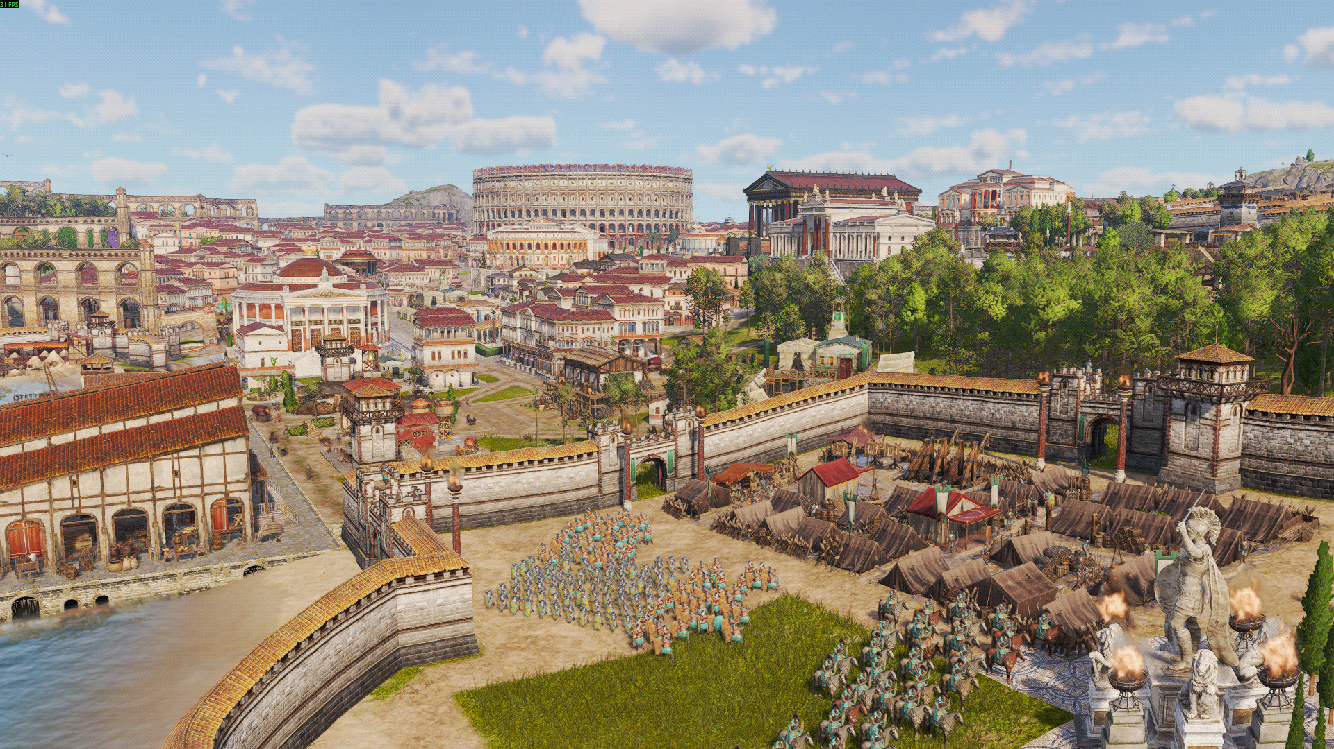
You start with a ship and an island, and work to develop your small city into a dominant empire that stretches across islands and continents. As you progress, you are forced to expand to other areas or rely on trade to meet the ever growing needs of your population, and it forces you later in the game into conflict with your rivals for resources.
At it’s core, the bulk of the Anno series is city building. You need to ensure your citizens have access to their essential needs, and worry about issues like fires ravaging your buildings, or an unhappy population revolting on you. The key difference from these games and a city builder like Cities: Skylines is the rest of the world around your city. You have several customizable rivals to select from with unique personalities and styles. Some are more likely to be docile trade partners who are fine with letting you expand into their territory, while others will wage war on you early and often and are devastating. You also have to contend with a faction of raiders who will sink ships, demand payment for peace, and harass your trade constantly.
The customization of this experience allows this game to appeal to a wide audience. If you want a casual relaxed game where you are taking your time creating a picturesque city, you can turn off all the rivals and raiders and not worry about any combat at all. Outside of picking harder rivals, you can also bump up the difficulty by expanding the size of raider factions and how often they attack, limiting the amount of resources and shrinking the size of the islands. It is a true sandbox that allows you to play the game so many different ways, ands it’s one of the things I enjoyed the most about it.
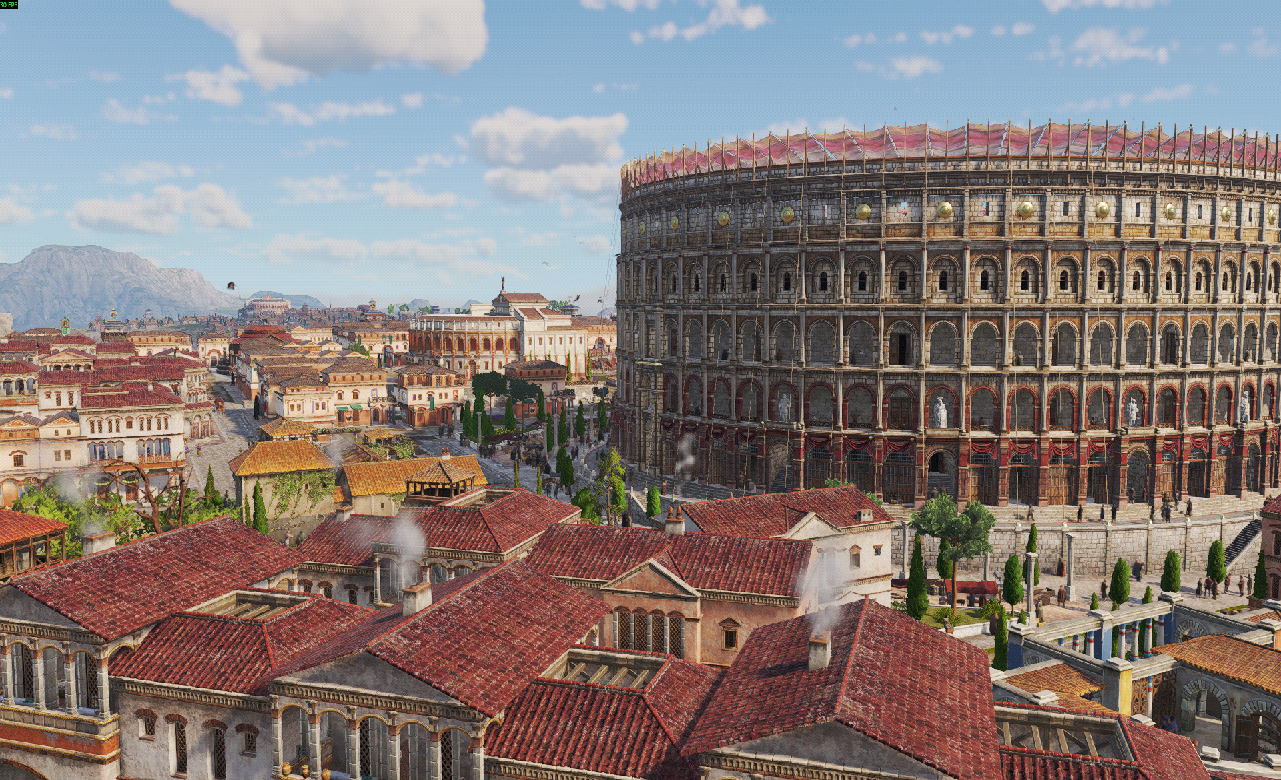
You may be asking: how do you beat a game intended to be an endless sandbox? While there is no technical victory, there are late game goals that can be seen as crossing that finish line. In many Anno games, there is a world wonder that you unlock at the very end of the citizen progression that if built, gives you a load of money and prestige. It requires an insane amount of difficultly to acquire resources, a lot of time, a massive population, and a large chunk of your island to build.
In Anno 1800 it was the Worlds Fair, but in Anno 117 they went with the time appropriate Amphitheatre. While it does not display a “Game Over” credits when you finish it, the joy of watching gladiators fight it out in this monstrous building in the heart of your capital really does wrap up a save file.
Many may see the gameplay as nearly identical to 1800, and that is fair. They have some wrinkles such as land combat, religion, aqueducts and other roman themed twists, but the core of it is the same. The thing I appreciated about the gameplay is they did just enough to make Anno 117 its own game, without staying too far away from a successful formula that works, and they really hit the sweet spot here.
Story: 2
Despite the core gameplay of Anno being the endless sandbox mode, they do pack a great story into this game. There is a scripted campaign that is a bit of a tutorial. It progresses you through the game providing dialogue from the emperor and rivals as you work your way up to a massive empire.
The reason I think the story is perfect is that it is perfect for what this game is. There is an emperor you are beholden too, who makes demands that if you don’t meet have consequences. Your actions on your islands impact how other non-player characters (NPCs) interact with you. Building too many unsanitary buildings might lead to them cancelling future trade deals or alliances.
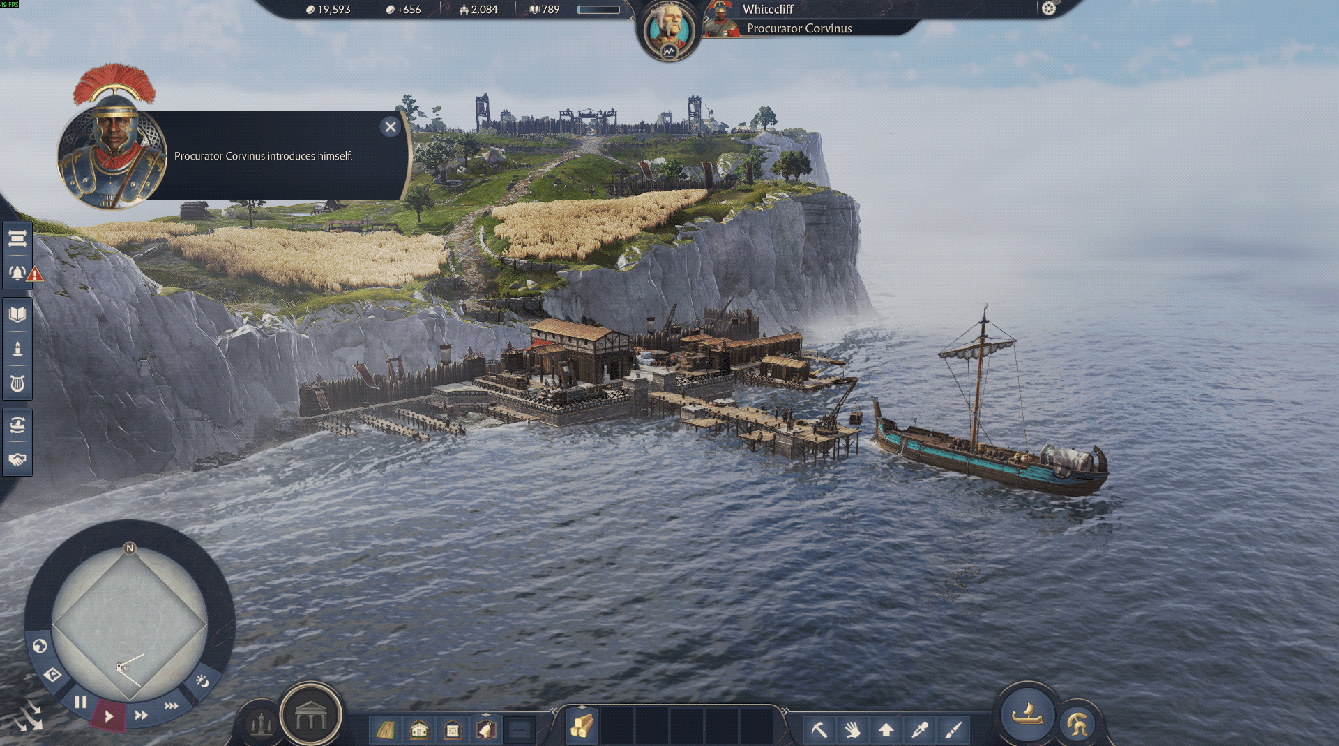
Also, each of the NPCs has a unique personality and style, and react differently to the moves you make in the world. For a game without hours of scripted dialogue or a true “end,” it does a fantastic job at immersing you in the world as you are building it.
There is also a great quest system that has a lot of charm to it as well. Random events will pop up that allow you to make a decision that will impact your residents, such as deciding how to deal with a bread thief. Choosing to be kind and exile them, or brutal and execute them, will impact the happiness of your citizens, your relationship with the emperor and other rivals, and many other nuances.
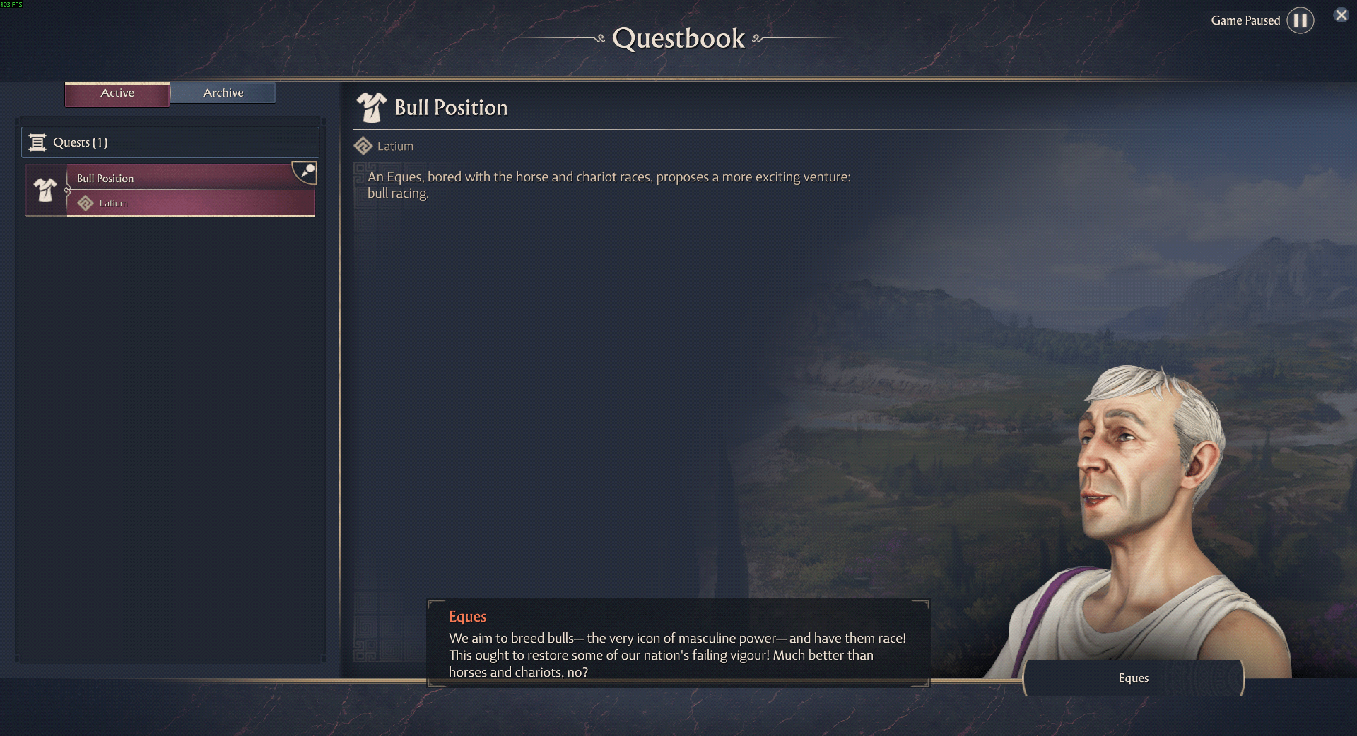
Outside of these scenarios, there are quests provided by rivals and neutral NPCs that will pop up, such as saving a hostage taken by raiders that adds a bit of color to the story here. While the story isn’t one that I am going to be thinking about years from now, I think it gets full marks here because it fits perfectly into the gameplay, does not drag on and delay any of the fun, and keeps you locked into the beautiful worlds that Ubisoft has created.
Atmosphere: 2
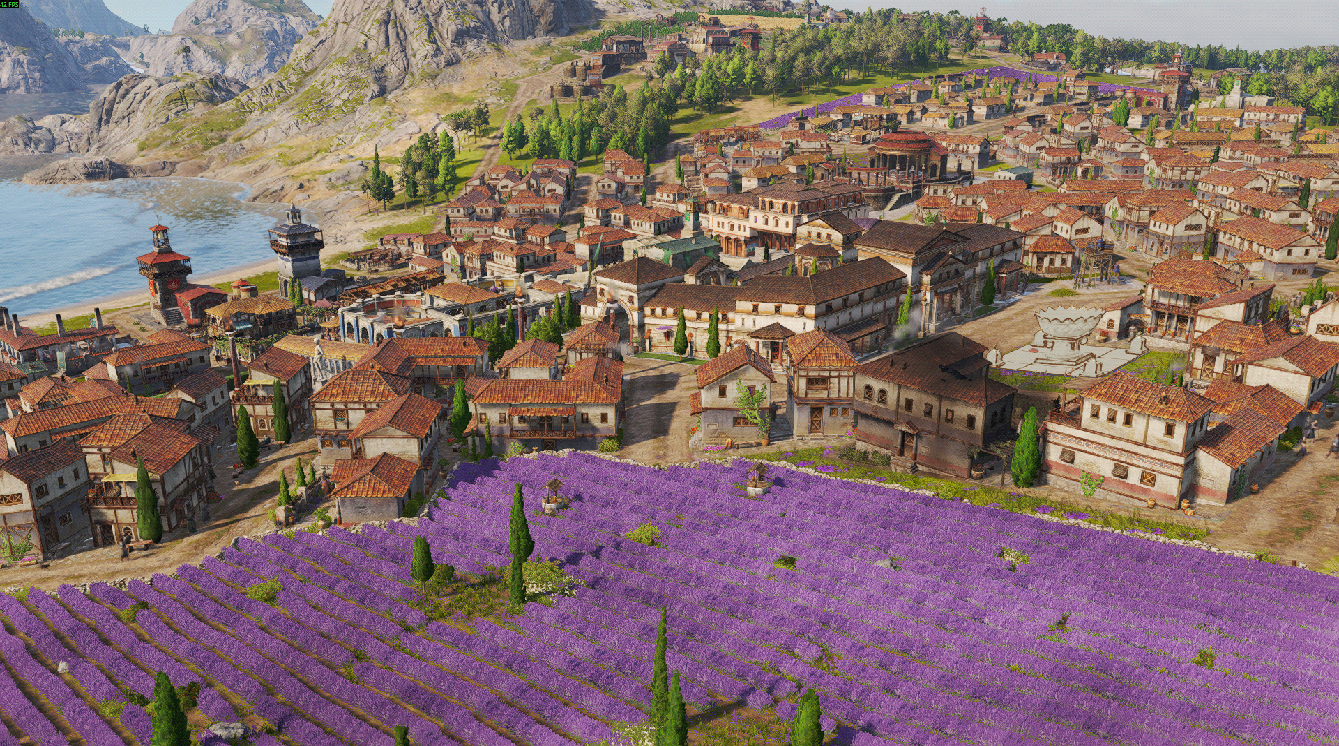
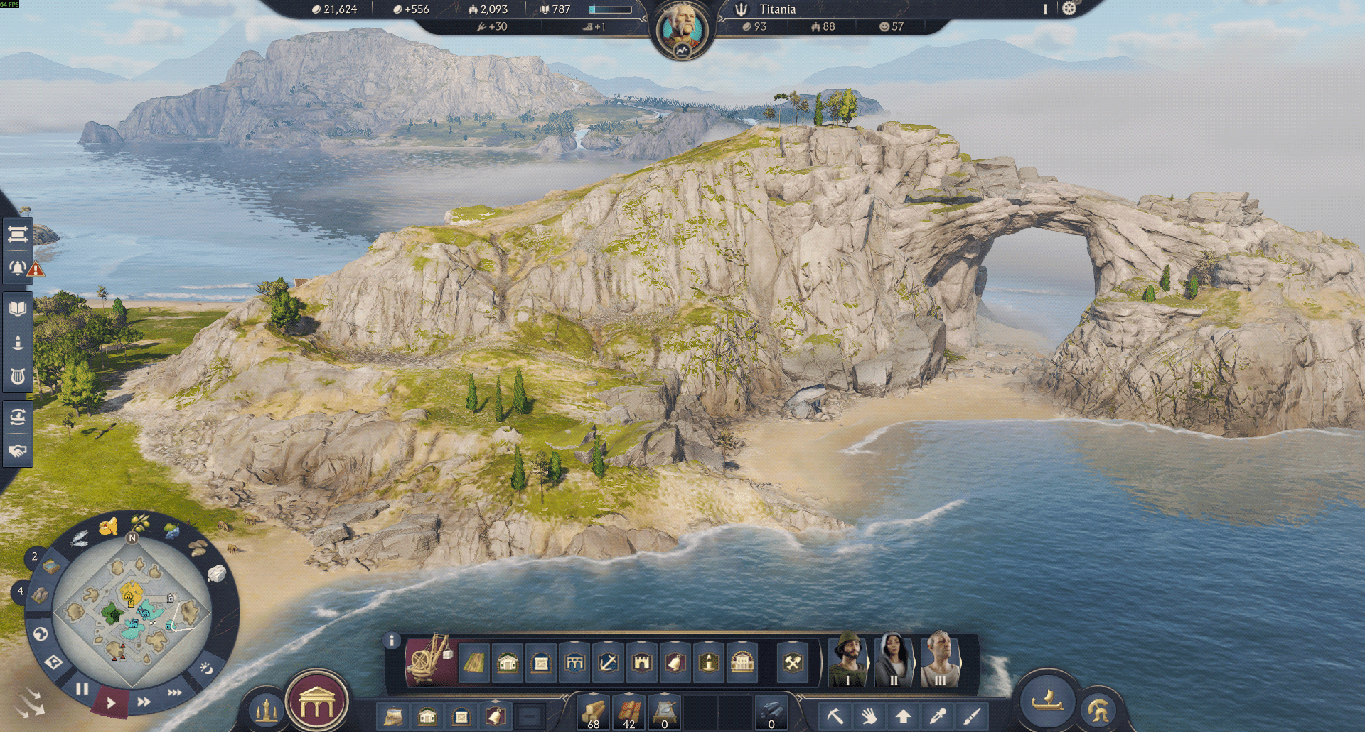
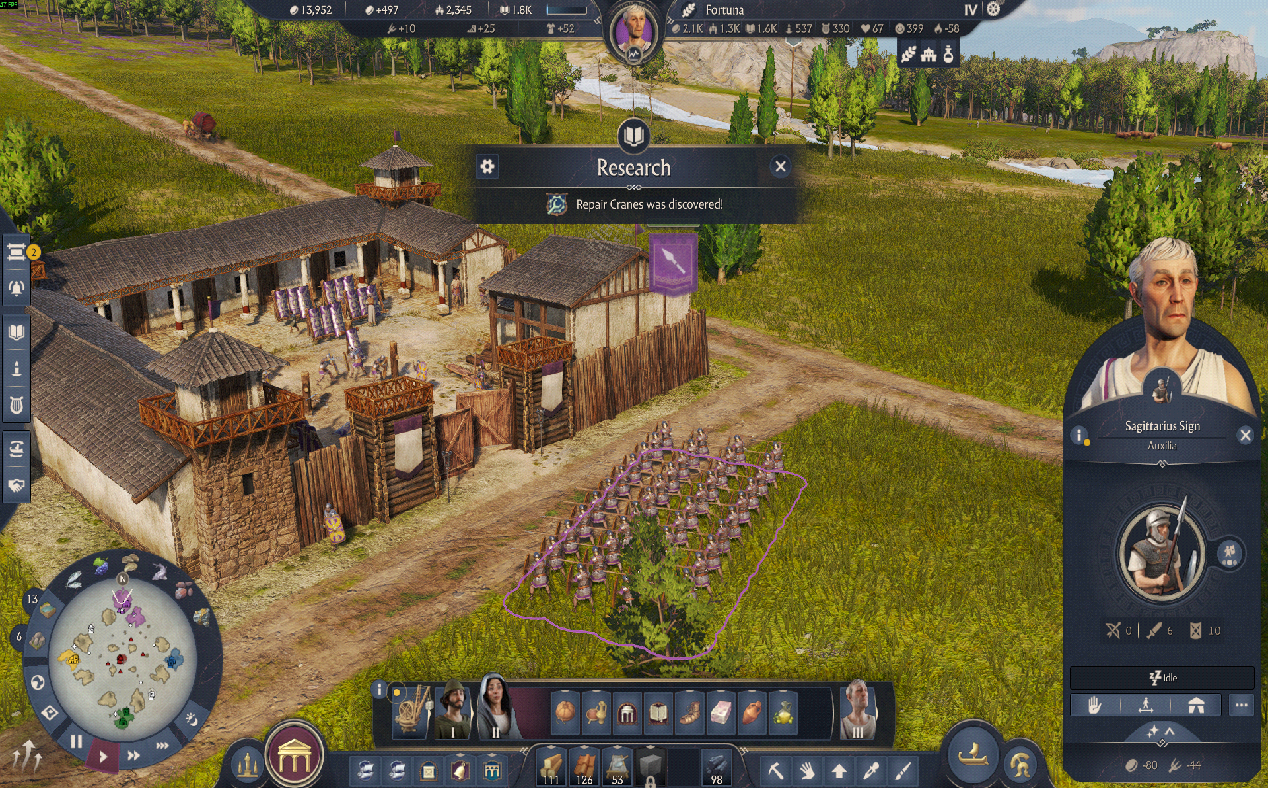
This game takes the beautiful style of Anno 1800 and runs wild with it. While many things will be familiar from general island design to the NPC islands, the art direction in this game is top notch. The level of detail in city building, decorations, and sights and sounds of the various production buildings make your towns come to life. I also really enjoy that they kept the feature that allows you to go down and play as a citizen walking around the cities you create. Building at a 30,000 foot view and then dropping into the rabble of the life of one of your citizens is a great dynamic.
The story also features many cutscenes of NPCs talking, and has beautiful artwork on display in almost every single one. They did not set out to make this game intense, motion captured, life-like animation and that’s ok. They found the style that works for them and layered on 3D characters on detailed tapestries of Roman life and it really works and creating the Roman vibe as you play through the story.
Often times after an intense battle or recovering from an island altering fire, you can just take a deep breath and look around the island at the beautiful landscapes and get lost in the world. The islands themselves are impeccable, and when you zoom in there is so much detail in every piece of the game. Spending hours constructing a scenic garden overlooking a mountain for your villagers to enjoy might not be a priority for progressing the game, but it is relaxing experience that is rewarding when you get that final product.
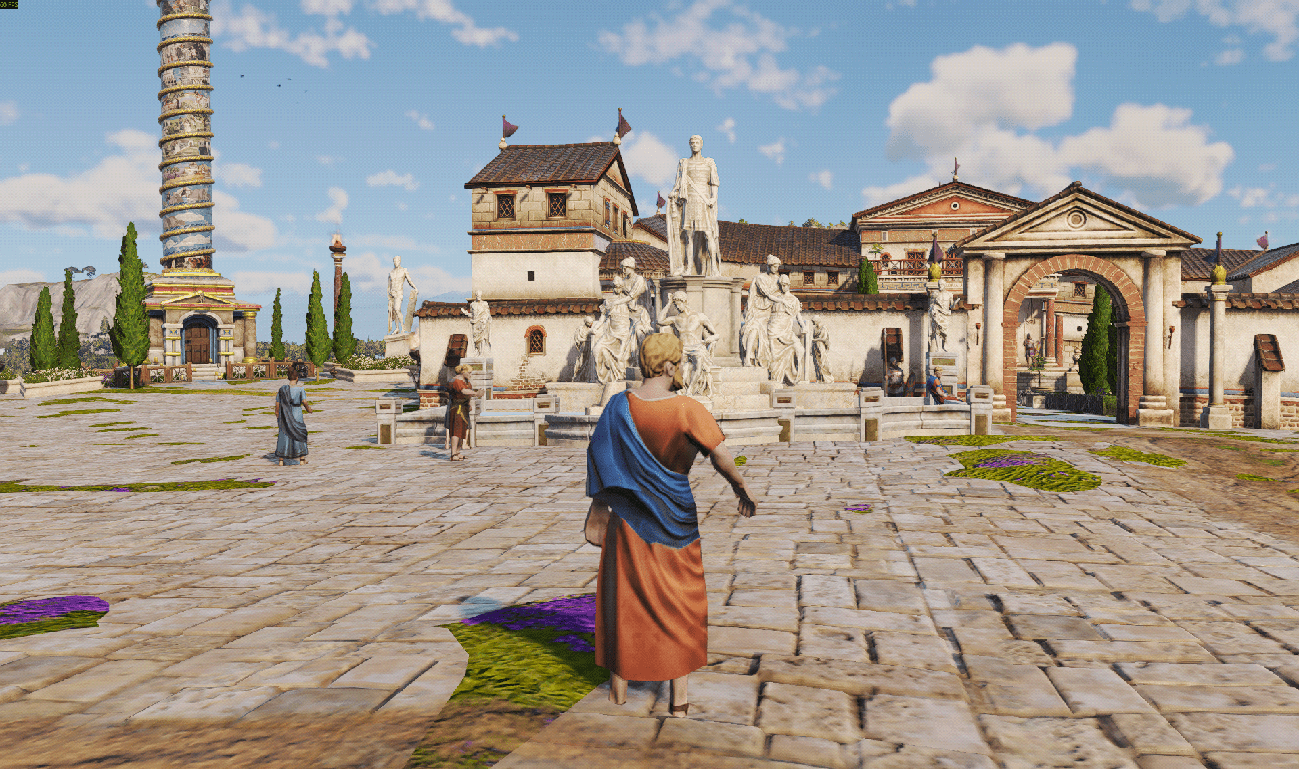
Sound direction in this game is top-notch as well. The music has that familiar Anno feel but also its own unique tracks and compositions played on time appropriate instruments. It’s not just the score. As you go through your city, you can feel the rumbles from the iron mine, the hammer on metal from the blacksmith, and the revelry from the many taverns your citizens enjoy. You can hear the roar of the water down the aqueduct and the carts rolling around your brick streets. Anno rarely misses the mark here, and it always provides a world full of life and sounds around you to take you away into an ancient Roman city.
Value: 1
I will almost never recommend a game that is $60 and I came really close here, but had to dock it for continued predatory behavior by Ubisoft. I will say, if you buy the regular edition, there is a great game here that if it hooks you is certainly worth the price tag. However, releasing a Deluxe Edition for $20 more with a handful of cosmetics and the promise of season 1 DLC is where I have issue. It used to be you spend that $60 and got a great game, and if it succeeded, then you might see DLC dropping in the future. The planned DLC within the first year of launch will always feel like studios making a game, stripping away 20% of it, and putting it behind a paywall.
While the game itself is fantastic and I have no doubt the DLC will be solid, the business practice is running rampant in the industry and Ubisoft is one of the main culprits. I would recommend if you truly enjoy the Anno series grabbing this at full price, and if not, waiting for a sale. If you want the best value, typically after a year or two of release, you can grab a steal where you can get the game and various DLC’s for the $60 price point – the price all that content should have been at launch.
Duration: 2
Anno is truly one of those games you sit down to do a couple of things in and then look at the clock and it’s 2 am. It will hook you, and the constant time progression and levelling up will keep you so immersed in the picturesque world that you will lose track of time. I can see myself putting hundreds of hours into this game, and that is just with the base game. They do a great job of opening things to the modding community in past games as well, and that is where you can truly sink a ton of time into these games.
While the price is high, the time you can spend it in may be worth it. There is certainly an ability to put hundreds of hours into one empire, while also having the option of starting a new game with unique rivals and conditions and playing for the 10-15 hours needed to beat the main objectives. The game plays at the pace you set it to, and that is a rare but treasured quality.
Total Score: 9/10
Overall, I would say this is a game you can certainly get your money’s worth out of. Even with a steep price tag, it’s worth it for the amount of fun you will get out of it.


 Off the Shelf Media
Leave a comment