

As we find ourselves drawing deeper into Christmas territory this year, I can think of no better time to end the deliberation on which version of A Christmas Carol reigns supreme.
The classic story, created by Charles Dickens, is not only one of the most definitive celebrations of the holiday but also one of the most remade stories in terms of theater and film representations. Why has such a specific holiday-themed narrative been the subject of so many different iterations? It all comes down to the source material.
The original novel, written in 1843, is a simple and incredible story dissecting greed, generosity, relationships, and what it means to have the Christmas spirit. It is not just a holiday puff piece but holds lasting moral lessons about the importance of family and holding your community in your heart, especially in hard times. If it was not clear yet, it is my favorite Christmas story, but the amount of options can make the decision of which version to watch incredibly difficult.
This year, I took the time to watch most of them, so you do not have to. Here is my lineup with a bit of explanation for each, as finding one that is absolutely best proved to be more difficult than I initially believed. It is important to note that most versions are defined by the lead actor, so expect to see their names as the defining characteristic.
Jim Carrey (2009)

Jim Carrey’s A Christmas Carol (2009) is probably the all-around best version made. The use of CGI for the entire film allows an in-depth creative process. It helps to smooth over the mystical look without matching it to a hard, realistic backdrop, as many of the early iterations fall victim to. It also made the look for the spirits the most consistent and appealing with the literary description.
The dialogue itself is almost entirely based on the novel, making this work one of the most faithful to the source material. While the extensive use of CGI could be off-putting, I would rank this version as the most well-done final product. Maybe in a few years, they may update the textures used, something I am surprised has never been done for other classics like The Polar Express (2004).
The Muppets (1992)

The Muppet Christmas Carol (1992) is another version that is surprisingly honest to the source material and implements the narrator well. It is the only musical version I enjoy, as most of the musical numbers are short enough without trying to overshadow the source material. Sir Michael Caine also delivers an incredibly stern performance surrounded by hand puppets.
I would strongly suggest this version to kids or children who might have a difficult time with some of the language used in the more direct iterations. This version shares second place for me with the next title, but is listed first because it is such a unique spin on the classic that was handled with incredible care for the story’s origin.
George C. Scott (1984)

One of the longer retellings that uses a few embellishments to bring the runtime into a more familiar timeframe with typical theatrical releases is A Christmas Carol (1984), starring George C. Scott.
Scott’s performance in this iteration is nothing less than a masterclass, as one would come to expect from such a legend in the industry. This version I hold in high regard because Scrooge is more than a caricature. Scott manages to take an incredibly familiar character and humanize him beyond the typical performance, both before and after. It feels like such a unique version, almost entirely because of the lead actor’s performance, and I would recommend it for any fan of the story looking for another good version that they may not have seen before.
Patrick Stewart (1999)
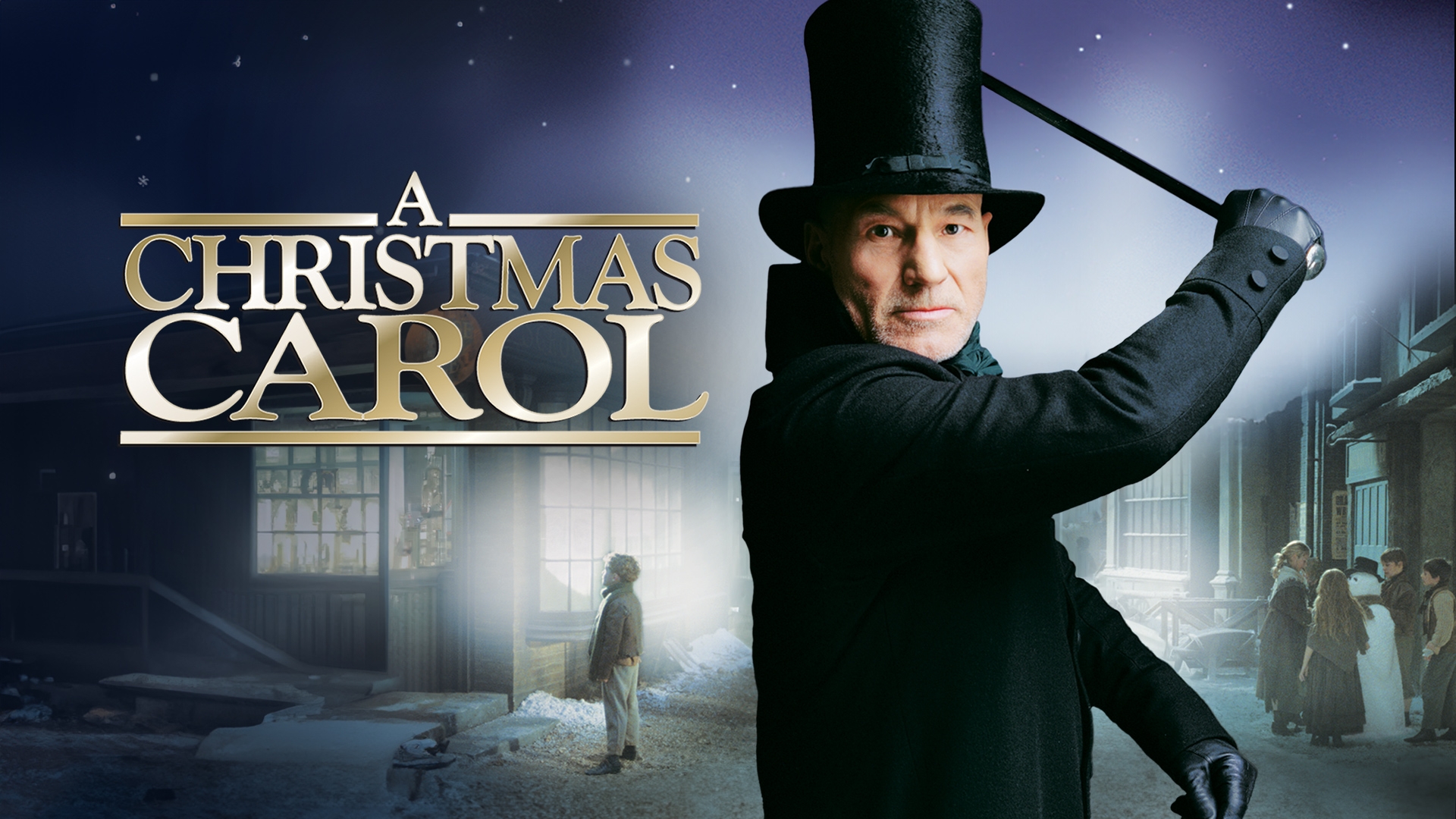
What I would refer to as the last great iteration of A Christmas Carol (1999). Older versions are caught against a practical lack of technology to make the ghost effects convincing, and many of the newer versions try to stray away from the source material too much and are worse for it.
Patrick Stewart delivers an incredible performance in this made-for-TV version. This iteration suffers from the decisions made toward the spirits. They straddle the line of unconvincing and might pull a viewer out of the story, and find them more distracting. It still remains an incredible version, but with so many other options, I understand how it might slip past audiences.
In Parting
I wish I could say there are no bad versions, but that certainly is not the case. Even some takes, such as the Alastair Sim (1951) are not bad but have fallen victim to time, as I am sure many on this list will, as the Ghost of Christmas Present’s family grows.
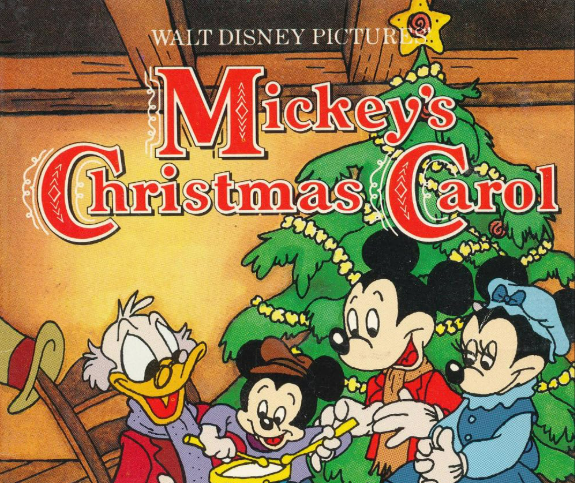
Mickey’s Christmas Carol (1983) is another good iteration but probably the shortest version you will find, maybe best suited for those with shorter attention spans, but I feel like even the best versions are captivating enough to retain that attention.
Even if you do not like any of the versions I have suggested, you can certainly find more, some more musically heavy, some playing more on the dark nature of spirits visiting. Either way, let us know in the comments below what you think is the best version and why it should be on our list.

By Nash Moorer



 Off the Shelf Media
Leave a comment