
Genre: Action, Adventure, Indie
Developer: Helder Pinto, Chozabu (Alex PB), Novadust Entertainment
Publisher: Future Friends Games
Release Date: October 11, 2024
Players: Single-Player
Review Date: December 18, 2024
Format: PC
Playtime (To Date): 4.7 Hours
MSRP (To Date): $14.99
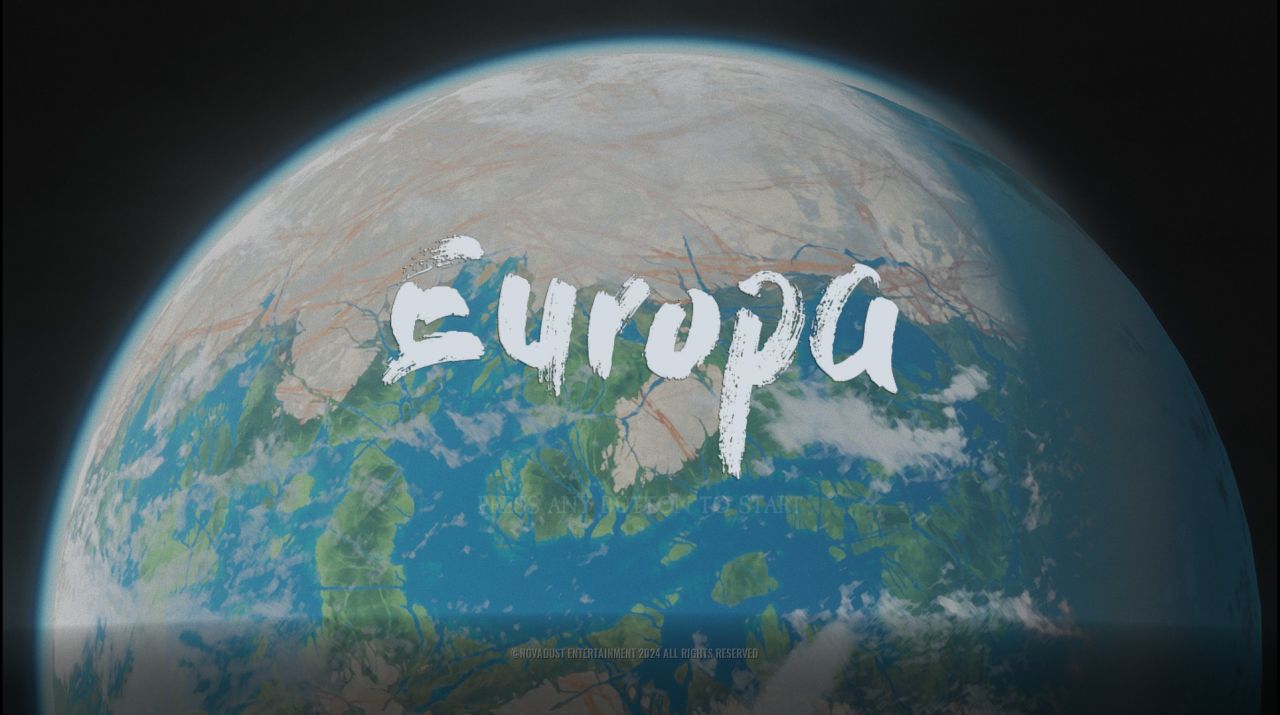
It’s been quite some time since a social media ad actually convinced me to buy something. Yet, that’s exactly how I found myself purchasing Europa. And I’m glad I did.
The game’s official Instagram account markets it as a Studio Ghibli-inspired indie game. How could I not buy it? I love the vibe of Studio Ghibli and cozy games are my specialty. Naturally, I had to see if this game’s description did it justice. Not to mention, I like to support indie games and developers when I can.
Without giving too much away, it’s evident immediately that this game was a labor of love. Before you even begin, you’re greeted by a wholesome note from the creators. To me, this little gesture didn’t feel like a marketing gimmick. It felt sincere and set the tone for the journey the player is about to embark on. Such a personal touch almost makes it hard to critique the game at all.
Another part of the game’s promotion that stuck with me was that the developers, a group of friends, spent nearly seven years making it. I can barely find enough motivation and determination to stick to goals for one year, let alone seven. At the very least, I had to see what this game was all about.
Gameplay: 1
If you are not a fan of comfy, casual, exploration games, then Europa is not the game for you.
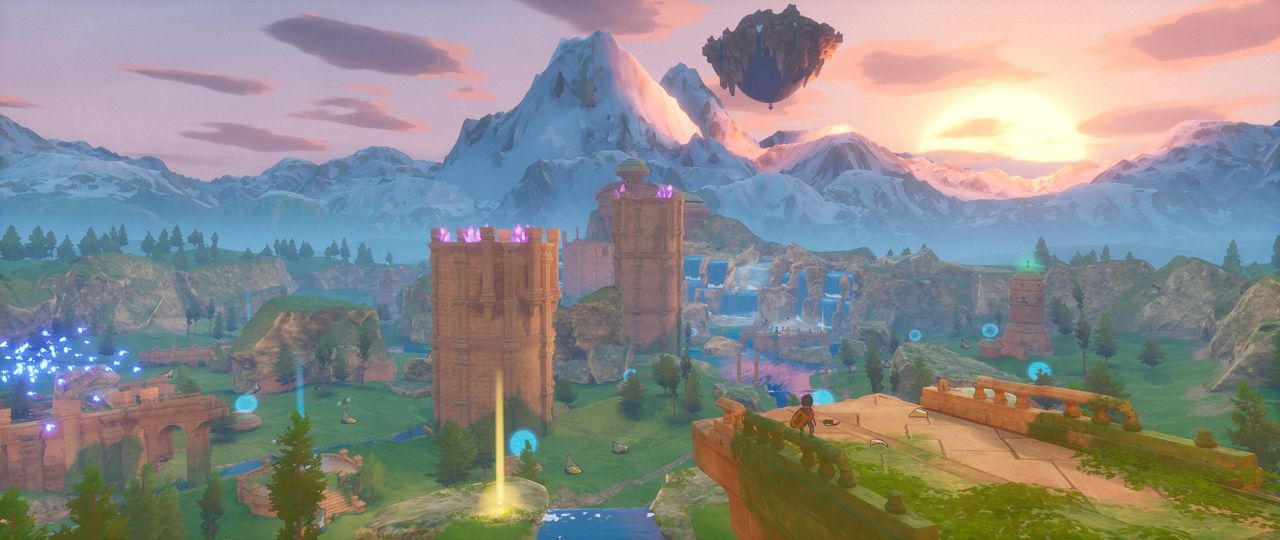
At its heart, Europa is an exploration game, so be prepared to take your time exploring. And don’t worry about getting lost in a massive world, the game will let you know when you’ve gone off course. That being said, like many games in this genre, once you’ve completed a chapter, you can’t go back while actively playing the game. While I’m not critiquing this feature, it is a fact that I prefer to know before I begin, especially when the game has collectibles.
As you travel through each chapter, you’ll come across collectible green diamonds and shiny white crystals. While collecting the green diamonds doesn’t seem to do much other than provide the player with an achievement, the crystals help upgrade the one device at your disposal: a “Zephyr.”
The Zephyr grants Zee, the main protagonist and your character, the ability to fly and makes exploring this world both more enjoyable and more manageable. If you’re not a stickler about finding all the collectibles, like I am, don’t fret over finding the green diamonds. You will need to find the white crystals, however, to upgrade your ability. Not doing so won’t impede your chance to progress through the game, but it will make it a bit more challenging to travel without a maxed-out pack.
Another aspect of the gameplay is the puzzles sprinkled throughout. If you’ve played recent renditions of the Legend of Zelda series, these challenges don’t seem too hard. In fact, I’m awful at most puzzles but would’ve preferred these to be a bit more challenging. The patterns become a bit repetitive and predictable by the end of the game. If you’re willing to pause, observe, and test a theory or two, you’ll have no issues solving these.
There is also no true combat in this game, which is entirely fine with me. However, don’t understand that to mean that there are no obstacles; there certainly are. In fact, Zee will encounter plenty of enemies, especially as you progress into the game. But you don’t fight them. Instead, you must traverse carefully around them (or try to run head-first through them). Either way, you do have options for approaching these various challenges as they come your way.
Since you don’t necessarily fight your enemies, you don’t actually take any damage. As such, your character has no way of dying; however, falling from a great height, taking a blast from an enemy, or trying to barrel through an impossible obstacle will certainly slow you down. How you decide to approach each obstacle determines whether you’ll have a smooth ride or not. For me, slow and steady was the key.
Honestly, my biggest complaint with the gameplay is that you can’t pet the animals.
Story: 2
In true Studio Ghibli-fashion, the game’s story is heart-warming, engaging, and focuses on a moral lesson. In short, it’s fantastic.
In all honesty, I read nothing about this game’s plot before getting started. I knew I didn’t need to. I hit ‘play’ with zero context. If you’re considering buying this game, I recommend you do the same.
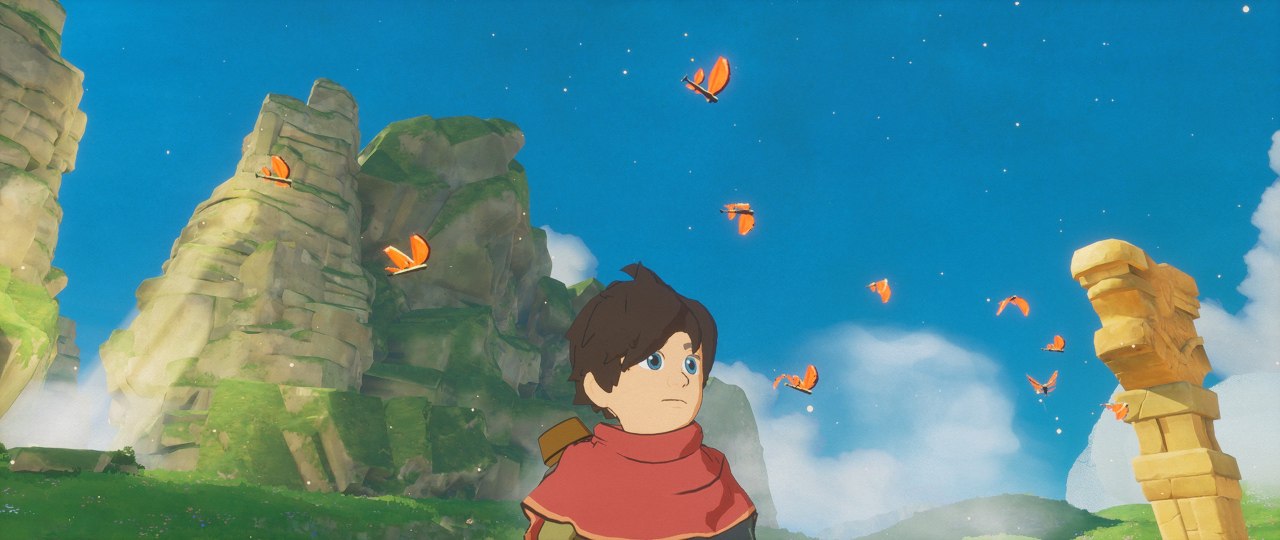
Without giving away any spoilers, you play as young Zee, a small boy in a wild, natural world. Though pieces of humanity can be seen throughout your journey, the world seems to only be inhabited by a variety of whimsical creatures known as “gardeners” (some seemingly familiar, most not).
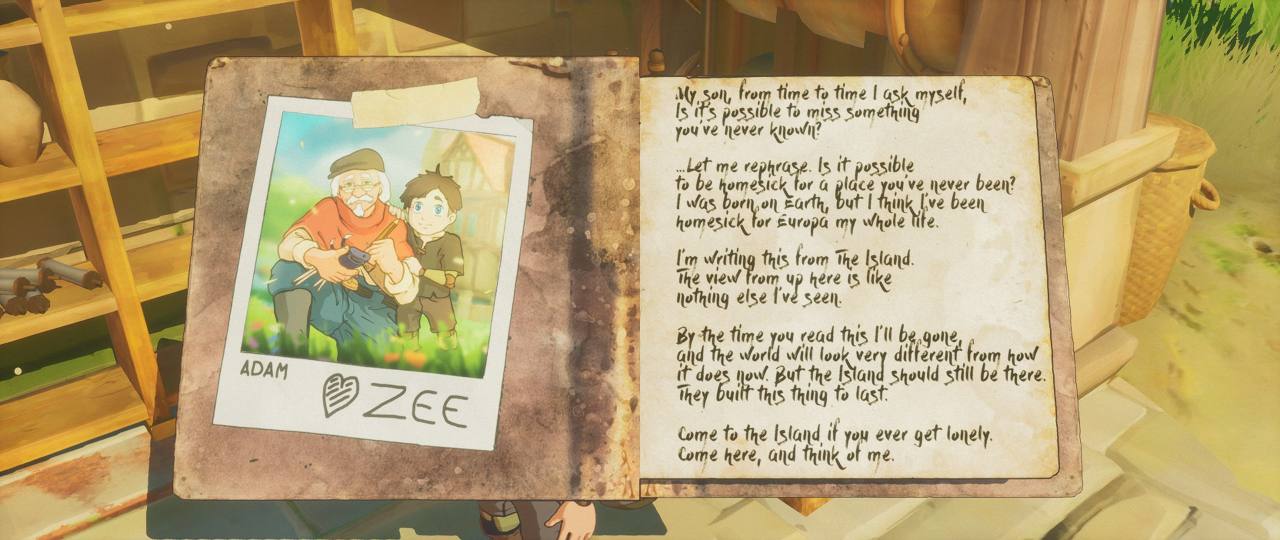
Not soon after you start, you begin to find journal pages from your father, Adam. Adam’s journal slowly reveals the hidden secrets behind the world you’re traveling in. As you progress through the game, a much clearer picture is painted. Suddenly, the world you’re in begins to make perfect sense.
I’ve seen critiques of this narration style from other reviewers online, which I vehemently disagree with. In fact, I think the slow reveal through a narrator’s voice is what makes the story so impactful. For me, it really drove the point home.
That being said, the game’s description does take away from some of the mystique I had while playing, which is exactly why I recommend going into it with zero idea.
By the time I arrived at the end of the game, the story genuinely evoked an emotional reaction. No, I did not cry, but it gave me just as much feeling as any movie would. For the story alone, this game is well worth it.
Atmosphere: 2
Describing the game as Studio Ghibli-esque is the perfect descriptor. From the art style to the character design, the messaging, and even the music, this game might be the closest Studio Ghibli fans come to feeling like they’re in their favorite movie.
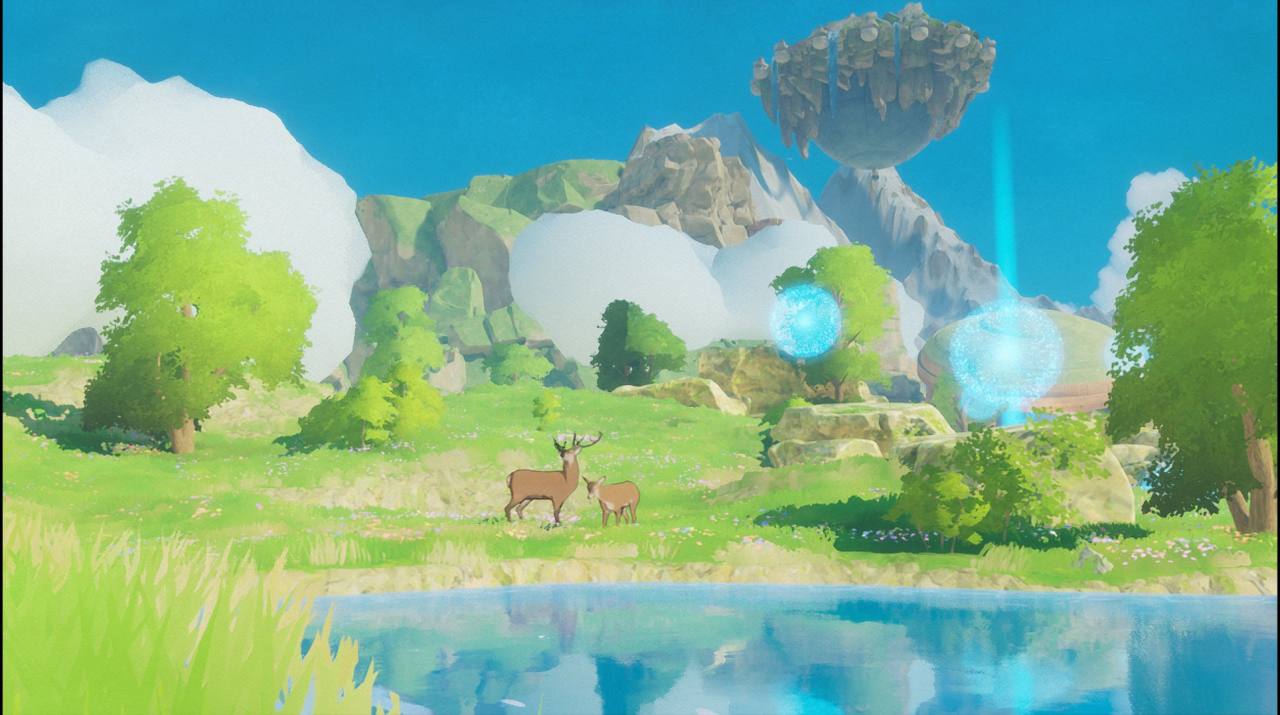
Europa is also a perfectly ‘screenshot-able’ game where neither the scenery nor the music ever feels too repetitive. At times, the game even applies a cinematic view to show you the wide-open world you’ll be exploring, especially when entering a new environment.
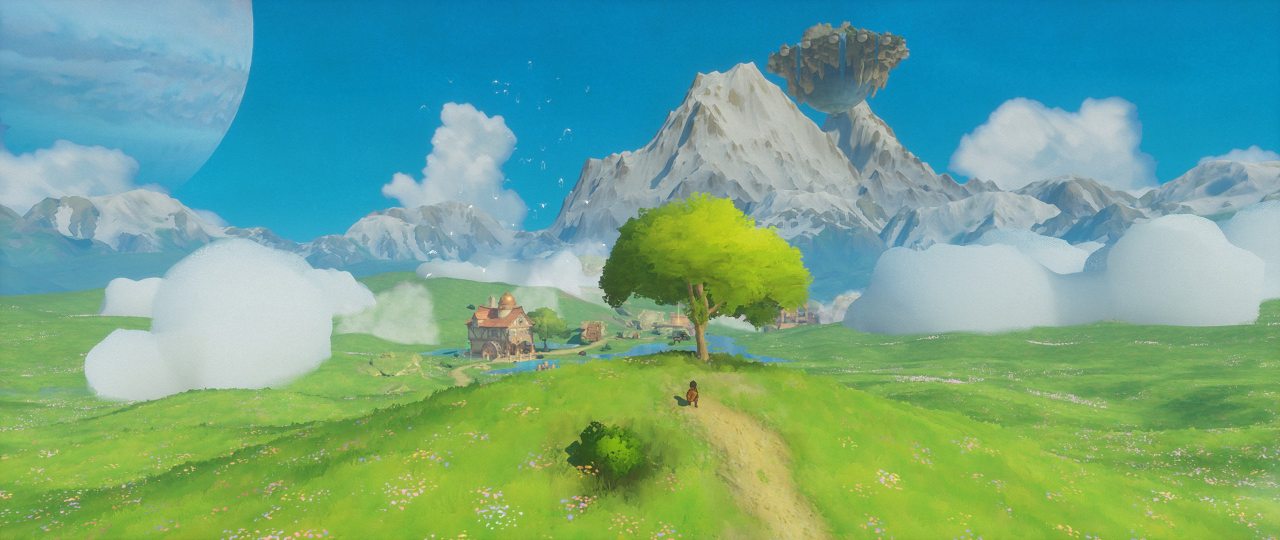
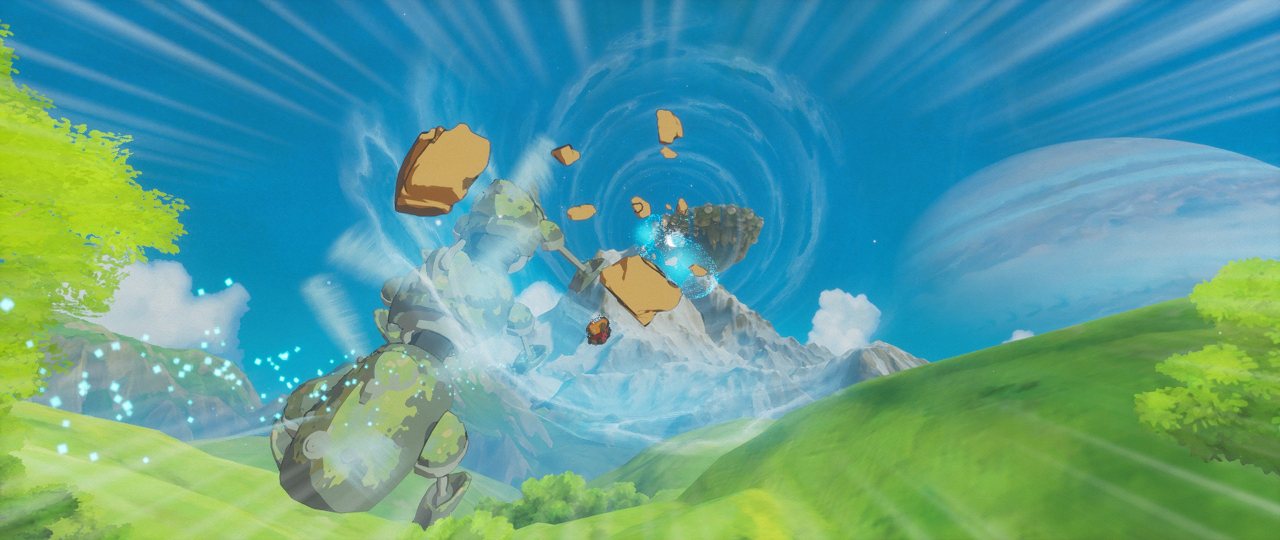
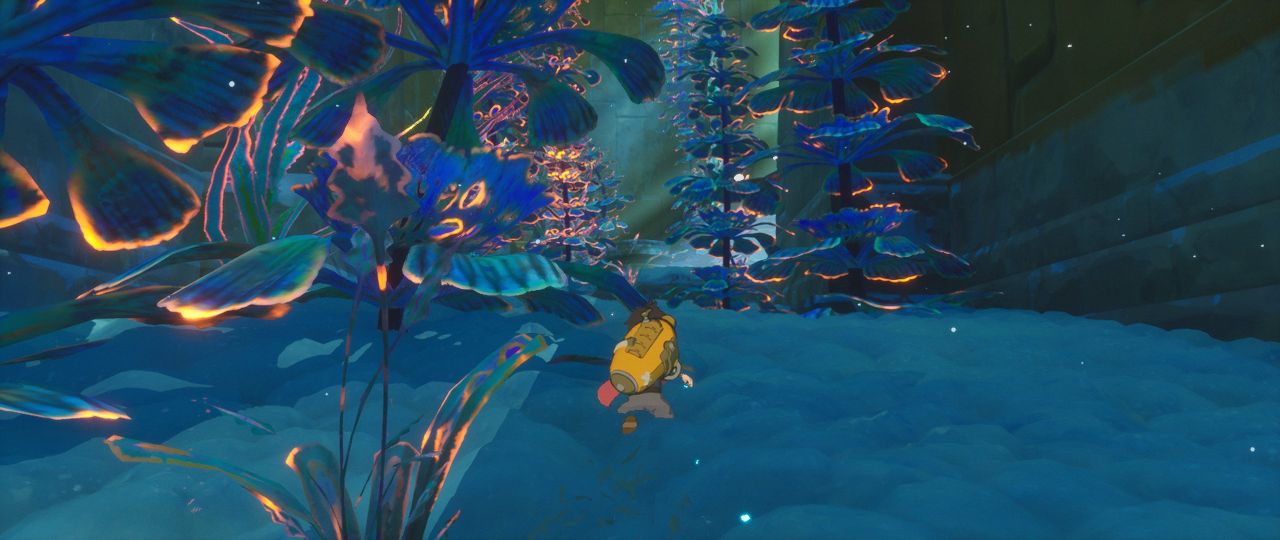
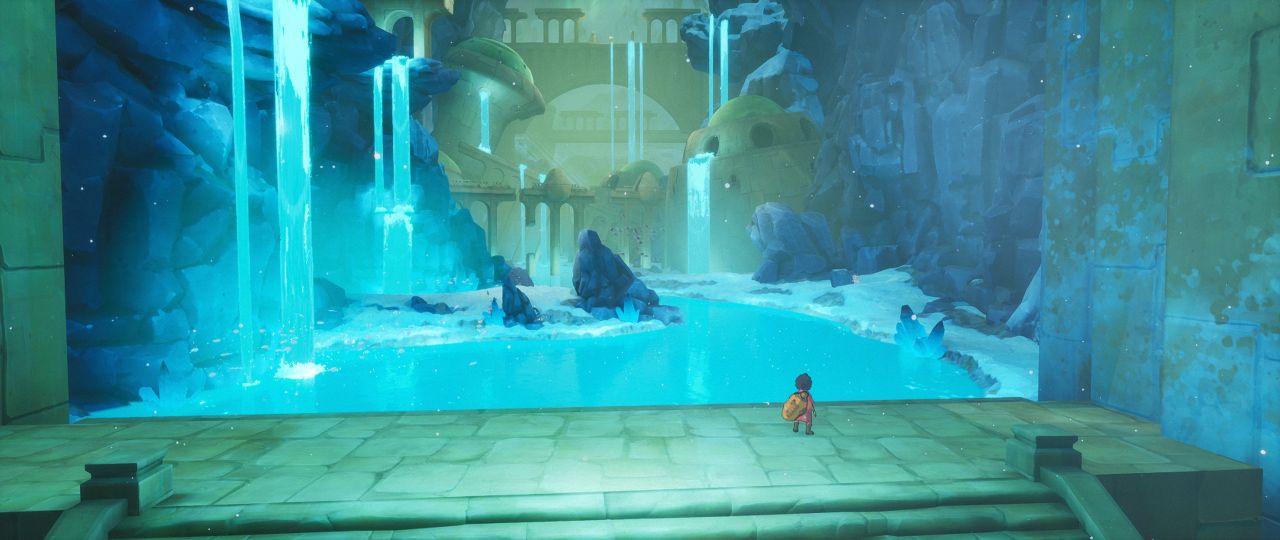
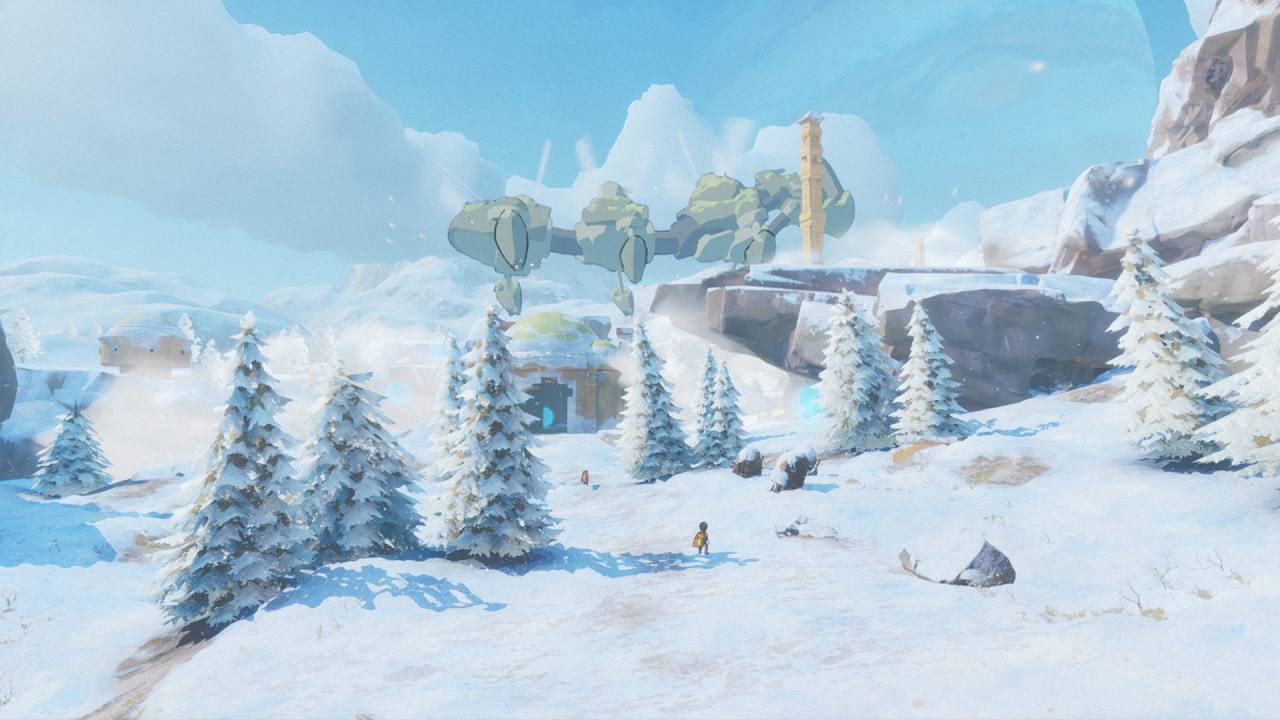
As Zee, you’ll travel through the world, soar through the sky, plunge into the water’s depths, and slide across the icy tundras. It adds just enough to keep the player engaged and curious about the world around you.
If you love exploring Zee’s world, the first big update to the game also introduced a ‘Zen Mode’ to play with no enemies or challenges.
Value: 1
With its current price tag of $14.99, some players may feel it is a bit much for a game that requires very little play time to complete. If you prefer to have every $1 spent equate to one hour of gameplay, you might not feel that the game is a great value. You’re not entirely wrong but it’s definitely worth picking up on sale, even if it’s only a few dollars off.
For starters, this game’s story is truly one worth playing. While the gameplay itself may not be ground-breaking, I cannot emphasize enough the extent to which I enjoyed the story.
To be honest, I was originally going to rate the value higher, that is, until I compared it to the price of Stardew Valley.
Perhaps comparing the price points is too much of an apples-to-oranges debate given the difference in art style alone. It’s hard to ignore that a game as aesthetically pleasing as Europa would naturally require more funding and time than the classic, 8-bit look of Stardew Valley.
Ultimately, the factor that pushed me to bring the rating down was the replay value. I have hundreds of hours logged into Stardew and am only skimming the surface of what the gameplay has to offer. Europa simply does not offer that capability. Even as I write this, it feels like a harsh judgment, but I’m going to stick by it.
Still, if you like cozy games like Lost Ember or Spirit of the North, have no fear of adding Europa to your collection.
Duration: 1
To be fair, I only played the story through once and I did not go back to find all the collectibles or complete all of the achievements. With that in mind, the game only took me 4.7 hours to complete. If you’re a speed runner, you could probably shave 30-45 minutes off of my playtime but that would take away from what makes this game so enjoyable.
Though I can’t say with exact certainty, I’m sure I’ll go back eventually to accomplish all the achievements of this game. However, I know I won’t be diving right back in after immediately completing the game because I didn’t feel the burning desire to.
Total Score: 7/10
Usually, I feel like a chump buying anything because social media told me to. I’m happy to say that this game is an exception.
Though the final score may seem a bit misleading, Europa is a worthwhile, story-driven indie game that certainly deserves its flowers. Stunning visuals, a heart-wrenching plotline, and a tranquil ambiance allow it to stand apart from other similar games in the genre.
If you’re looking for a game to ease your worries about the world, take a trip through Europa.



 Off the Shelf Media
Leave a reply to Best Games of 2024 & Most Anticipated Games of 2025 – Off the Shelf Media Cancel reply