
Genre: RPG, Space
Developer: Bethesda Game Studios
Publisher: Bethesda Softworks
Release Date: September 6, 2023
Players: Single-Player
Review Date: June 11, 2025
Format: PC, Xbox Series X|S
Playtime (To Date): 58.2 hrs
MSRP (To Date): $69.99
Bethesda announced Starfield in 2018 to the surprise of their fans; they were going to begin what would hopefully be a new franchise centered around space exploration. The thought of an open universe designed by the legendary studio kept the gaming community on the edge of their seats.
It might have even been enough to push the needle over the edge for Microsoft to drop $7.5 billion on its parent company, ZeniMax Media. Securing exclusive titles for Xbox, including franchises like Fallout and Elder Scrolls, but also Doom, and the anticipated success of Starfield. It would have been a fair guess to assume the game would become an instant classic, and while for some it has, for most on launch, it missed the moon.
Gameplay: 1
It’s not your classic Bethesda game. Starfield managed to find a sweetspot for fluid control in combat that remains better than their previous RPG titles. While it remains positive to see the studio continue to improve the functionality of such interactions with each title, it felt like many of the other systems either found themselves too complicated or underdeveloped.
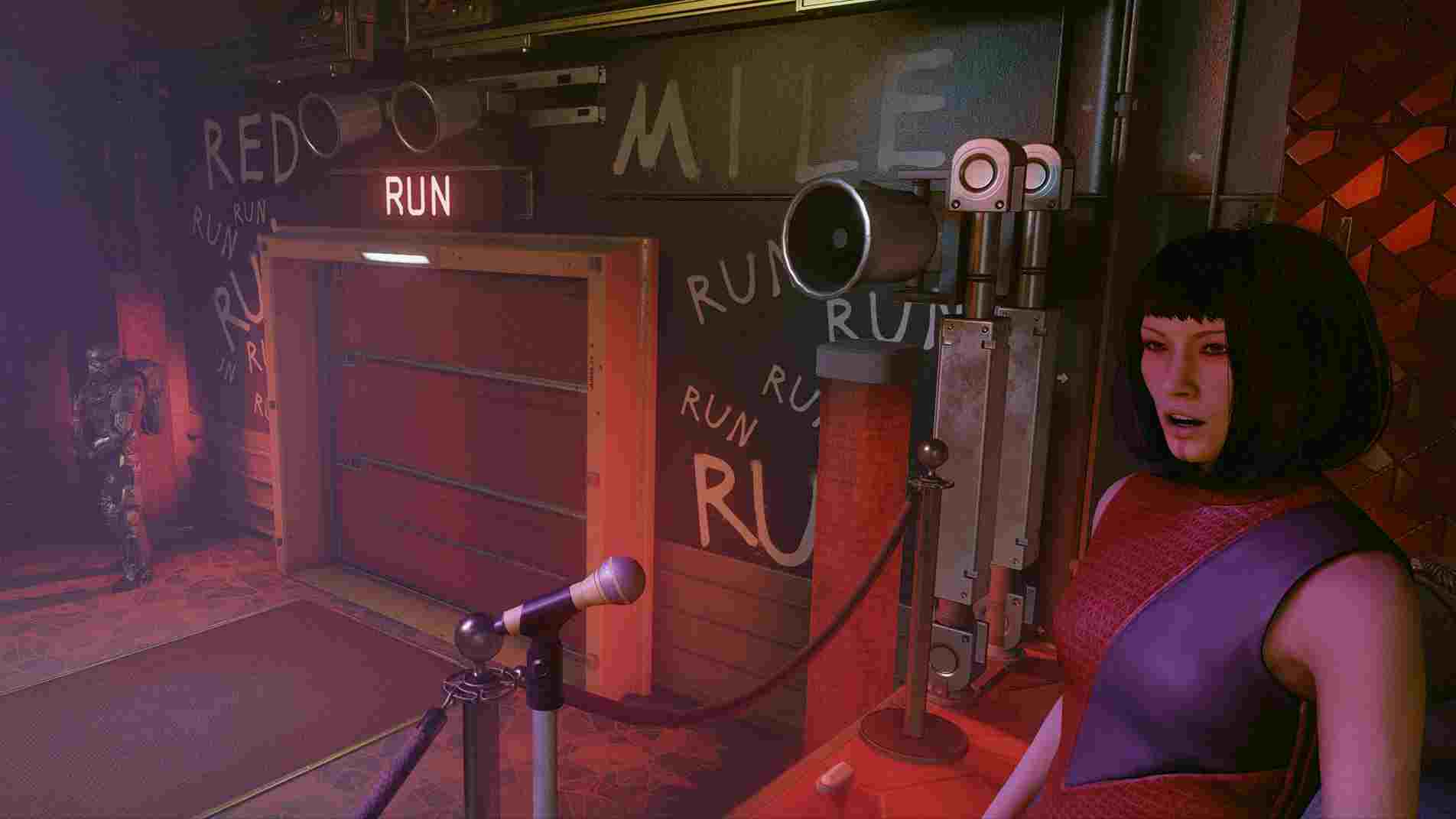
To be transparent as well, I did not play the game until two years after its release, certainly enough time to patch and fix mirror issues. For those who bought the game on release, I already had to REV-8 when I first clicked play, which in itself was an attempt to solve the issue of crossing barren landscapes at a pace that was more than boring.
Transportation lends itself to another one of the major downsides of the game. If you have experience with other Bethesda RPGs, you might think it’s worth it not to fast travel as much as possible. In the universe of Starfield, however, those rewards are slim. In my experience, while playing, it is best to fast travel often and save time between empty caravaning. Those loading screens are going to become incredibly familiar, but it’s for the best. This divergence from the familiar part of the Bethesda formula is probably the biggest sticking point, as the hope of massive exploration quickly becomes quenched in the attempt and the emptiness accompanying it.
The vastness of space lends itself to be boring because while space is big, the biggest thing there is, it’s somewhat empty, which makes this reality not seem like a false claim or misdirection, but certainly not a positive for what is supposed to be a game. It also feels out of expectation compared to the studio’s other franchises.
Take, for example, how another franchise handles them, such as the first Mass Effect game. While the Mako portions of planet exploration weren’t always the most thrilling, they were limited in scope, so when you did come across them, it felt organic and made the discoveries rewarding. In Starfield, they feel largely bland, even if a few might offer better loot.
Another formula I feel Bethesda has never aced in the RPG titles is crafting. While the alchemy and chemistry in the Elder Scrolls and Fallout games, respectively, feel like iron-clad systems, they also tend to experiment, such as the building mechanic in Fallout 4. I think it’s fair to say it’s not a perfect system, but it certainly is functional to a degree. It isn’t necessarily straightforward, but not overly complicated.
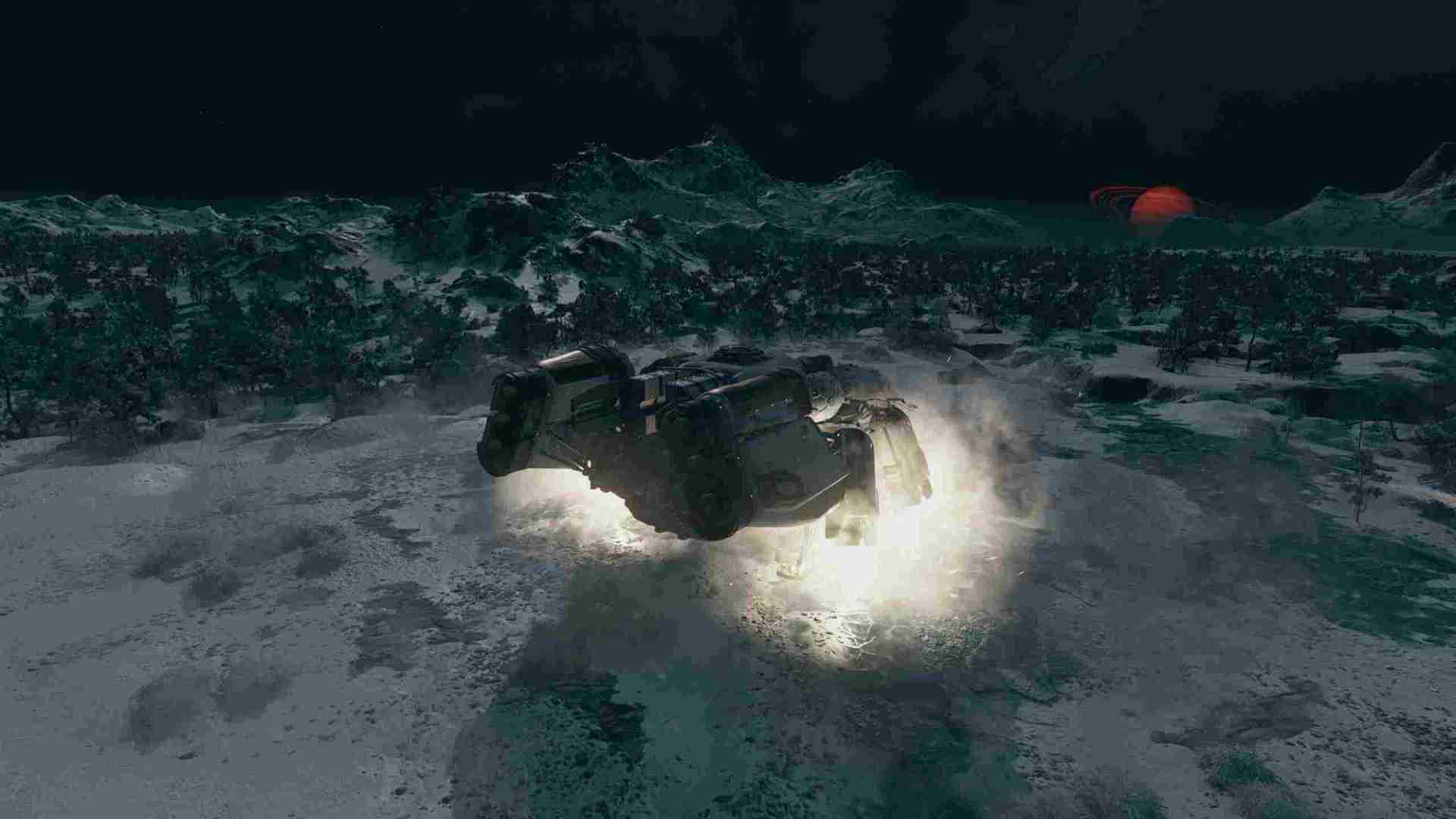
This is exactly how the crafting vs building in Starfield operates. While the base building feels heavily reminiscent, no such thing can be said of the ship building and items crafting; each is entirely the embodiment, one being straightforward and the other overly complicated. While the weapon modifications and resource crafting fall into the former, the logistics of gathering resources are marred with seemingly unnecessary logistical constraints. Only one chest, in the Lodge, has an unlimited storage capacity, and while it is simple to gather mined resources off planets, you can only select a certain amount to be shipped using interplanetary spaceports, and the amount of those sent to one location is limited. It seems like an unnecessary constraint where the balancing in shipbuilding is convoluted from the start. There is never a decent walkthrough as to all of the scales to balance when building a ship, nor are the values of each scale made straightforward when operating in space. The ship designs are cool and unique, and while the ship-to-ship combat is nothing wholly unique, it is fun when done right on a proper ship.
Hopefully, the pattern of the gameplay mechanics has made itself present. While I do have a bias for everything Bethesda and lack the launch glitches, the systems in place when I did play each had positives weighed down with what felt like needless weight. They prevented each from fully excelling. Nothing felt entirely bad, but as if there was a consistent desire to attach technicalities for a sense of realism. My biggest critique for any creative work is based on its assertion of itself. It does not try to convince you of anything, but rather its medium draws you to that conclusion.
Starfield, to some degree, leaves me feeling that the realism is enforced by mundane constraints rather than leaning more into the goal of any game: fun.
Story: 2
I’ll be honest, the game is long, and I haven’t finished the main story. I have, however, finished the major faction quests and near countless other side missions. If you play this game using the fast travel nonstop and focus on the stories offered each time you enter a new city, you are well rewarded with the stories. The realism in the game flourishes here.
The uncertainty of survival in space voyaging comes to life as the threat feels ever-present in the degree of moral, or immoral, choices you can make. The option to not allow unnecessary risk and terminate a potential problem is almost always present. The morality of choices also feels very gray at times. Often, you might find yourself having to decide between the lesser of two evils rather than a clear good versus evil choice.

All together, these missions accumulate into a sci-fi buffet that goes further than the main story does to make you feel like a real space traveler. The uniqueness in characters makes them unpredictable, and while the number of characters with dialogue makes them difficult to be memorable, I mean that as a positive. Hardly do missions feel repetitive outside of those offered at a terminal.
Atmosphere: 1
As I said earlier, space is, realistically, mostly empty. The amount of random structures the player would be exposed to while traversing outside of mission zones always felt sparse or mainly uneventful. Did these structures do enough? Not really. The player is not rewarded as well with random exploration as other RPG titles. A lesson learned on the launch of No Man’s Sky, which was somewhat resolved in subsequent patches. Such an issue seems obvious and relatively easy to tackle, especially considering the company’s long history with random gen in Daggerfall.
That is all the negatives I have for the atmosphere. Because the scale of the game is so big, it leaves it with mostly a sea of emptiness with no good way to traverse POIs other than fast travel. While the rover is useful, it does not do much to beckon a player to explore a barren planet much farther than they might need.
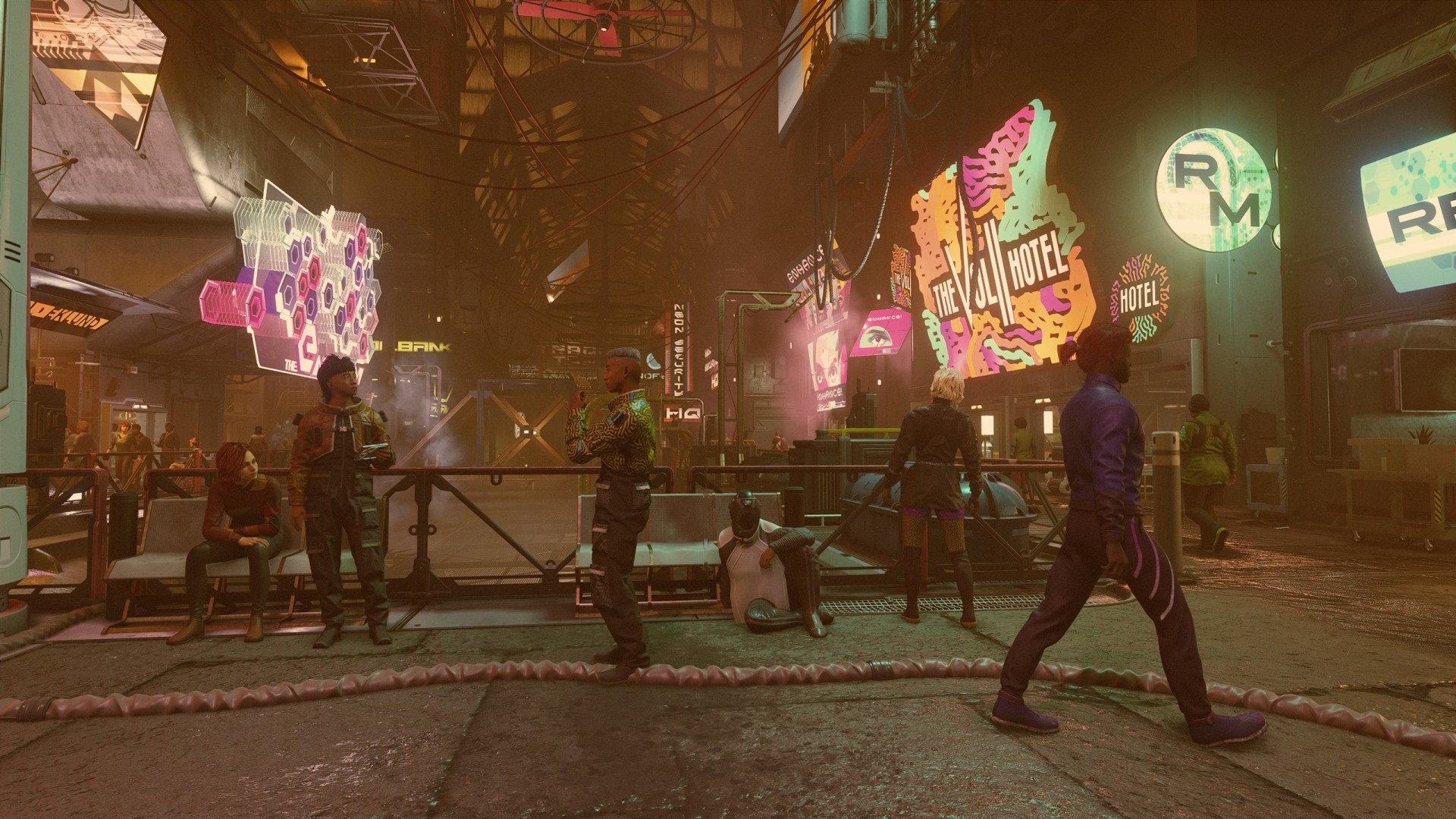
Every other design element feels perfect. It remains cohesive in the universe they want to create. Nothing feels generic or lazy, but original. It brings a sense of realism, like the design for ship interiors, which is reminiscent of NASA shuttles but pushed into the future to have more character, but a familiar grasp of something maintaining minimal frivolity and high purpose function.

The towns each have a unique design, which cannot be said for the outposts, but they do more to instigate intrigue for exploration. It may not always offer a literal reward, but seeing their design only adds positive notes to the atmosphere.
Value: 1
Going off my standard metric to evaluate value, i.e., each dollar on the price tag should have at least one hour of gameplay to match in playtime, but it falls just short. I intend to play more of the game, but it only managed to grab my attention for 58 hours, while the price tag remains consistently at $70.
I know my attention will return to it at some point to finish it out, but at such a steep price tag, it speaks to the ever more common trend that increasing game prices do not reflect a rise in quality. Just comparing those numbers, I think the game would be appropriately priced at the former standard of $60.

Since the game’s launch, it has seen updates that have been well received by the community. Maybe not to the level that No Man’s Sky has seen, but it makes me wonder if the standard for major developers can last on the model of delivering an unfinished game and finalizing months or years after release.
Duration: 2
I may not have finished it in one go, but I understand that the amount of total content, enjoyable content, will eventually surpass my current playtime. That is to say, there are no indicators to the contrary.
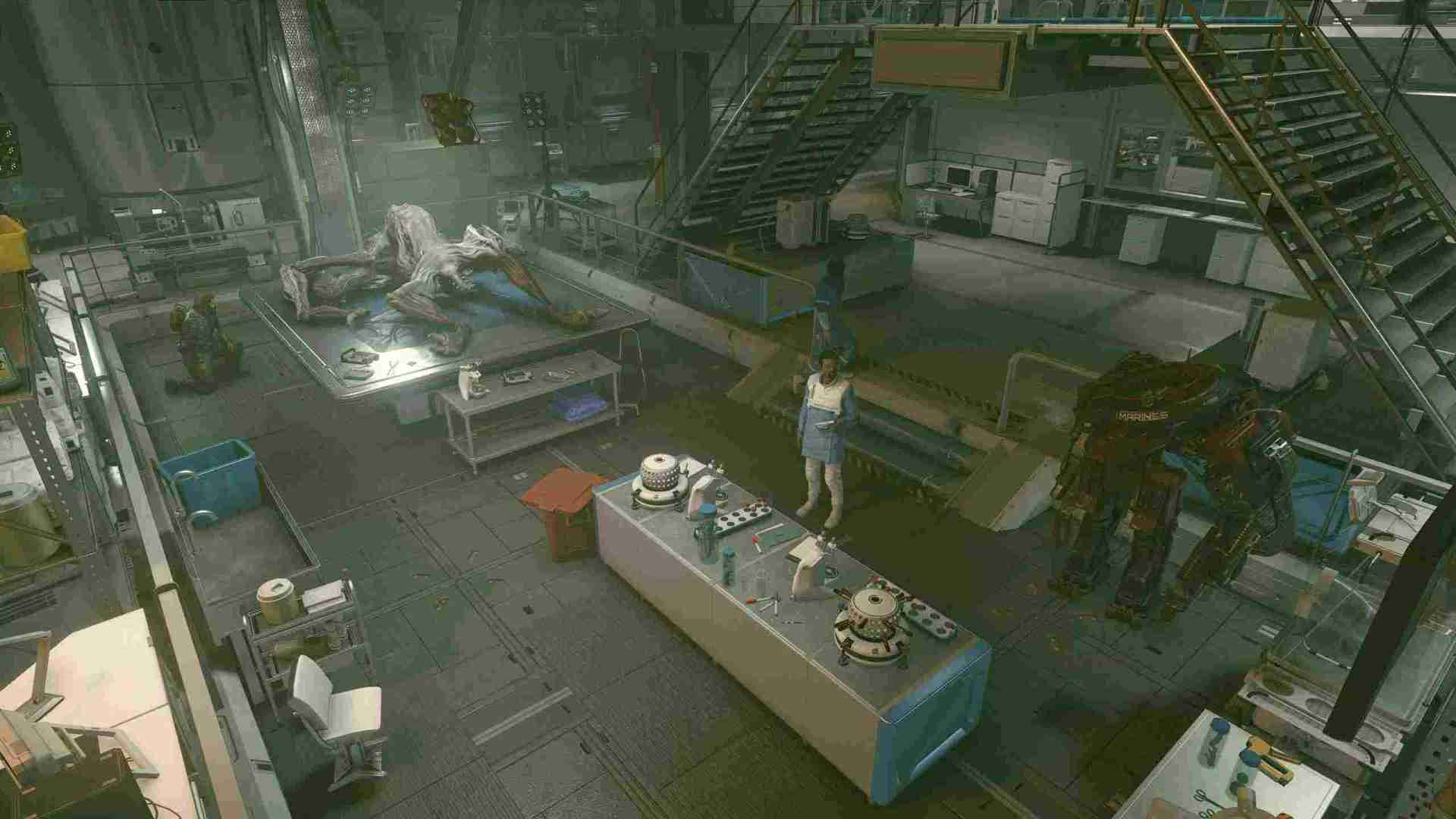
My main consideration is that the number of skills from the perk trees is huge. I would be willing to bet that New Game Plus really allows the combat to shine, even though I have thoroughly enjoyed my time thus far. Bethesda did not underdeliver here, even if an hour or two may be wasted trying to explore the boundaries of a planet every now and again
Total Score: 7/10
I wish Starfield lived up to the expectations on release. While many of the issues seem like they could have been anticipated, the game still delivers as a sci-fi RPG. It saw major improvements in combat for the studio and its other RPG franchises, which are ever more anticipated. The worst outcome would be if Bethesda takes the critiques as players do not want complexity.
That is not the case I am making when talking about building starships or the crafting logistics. There is a major difference between complexity and being too complex; too much of anything is always going to be burdensome. The lack of hand-holding in scripted events to start questlines made their discovery all the more rewarding in this game. The unique discovery for someone during their playtime means it can be approached or handled differently the next play through.
Yes, if the ‘guilds’ storylines intertwined more, it would feel even more unique based on your discovery and mission progression in them (like in The Elder Scrolls III: Morrowind), but clearly defining the mechanics to the player that would be unfamiliar and letting them make organic discoveries feels like a hallmark of the studio. Watching that feature fade from their games because different portions of the game were not well-received or well articulated in the passions of an online forum would be a colossal loss.

By Nash Moorer




 Off the Shelf Media
Leave a comment