
Genre: RPG
Developer: Game Freak
Publisher: Nintendo
Release Date: October 10, 2000
Players: 1-2 Players
Review Date: October 6, 2025
Format: Game Boy Color
Playtime (To Date): 200+ hours
MSRP (To Date):$39.99
It’s hard to believe it’s been 25 years since Pokémon Gold and Silver came out. By the year 2000, Pokémon was a global phenomenon with two theatrical movie releases, successful video games, anime, manga, and trading cards, which we all thought we’d have sold for tens of thousands by now. Alas, it was not meant to be, but at least we still have our priceless memories and emulators to replay the classics.
After 25 years, I can say with 100% confidence that Gold and Silver are the best Pokémon games out there. No disrespect to the original Blue, Red, and Yellow, but Gold and Silver took the foundation those games built and built a multi-million dollar mansion on prime real estate.
In case you were wondering, my starting 6 are Feraligator, Snorlax, Honundoom, Kadabra, Red Garyados, and Rhydon.
Gameplay: 2
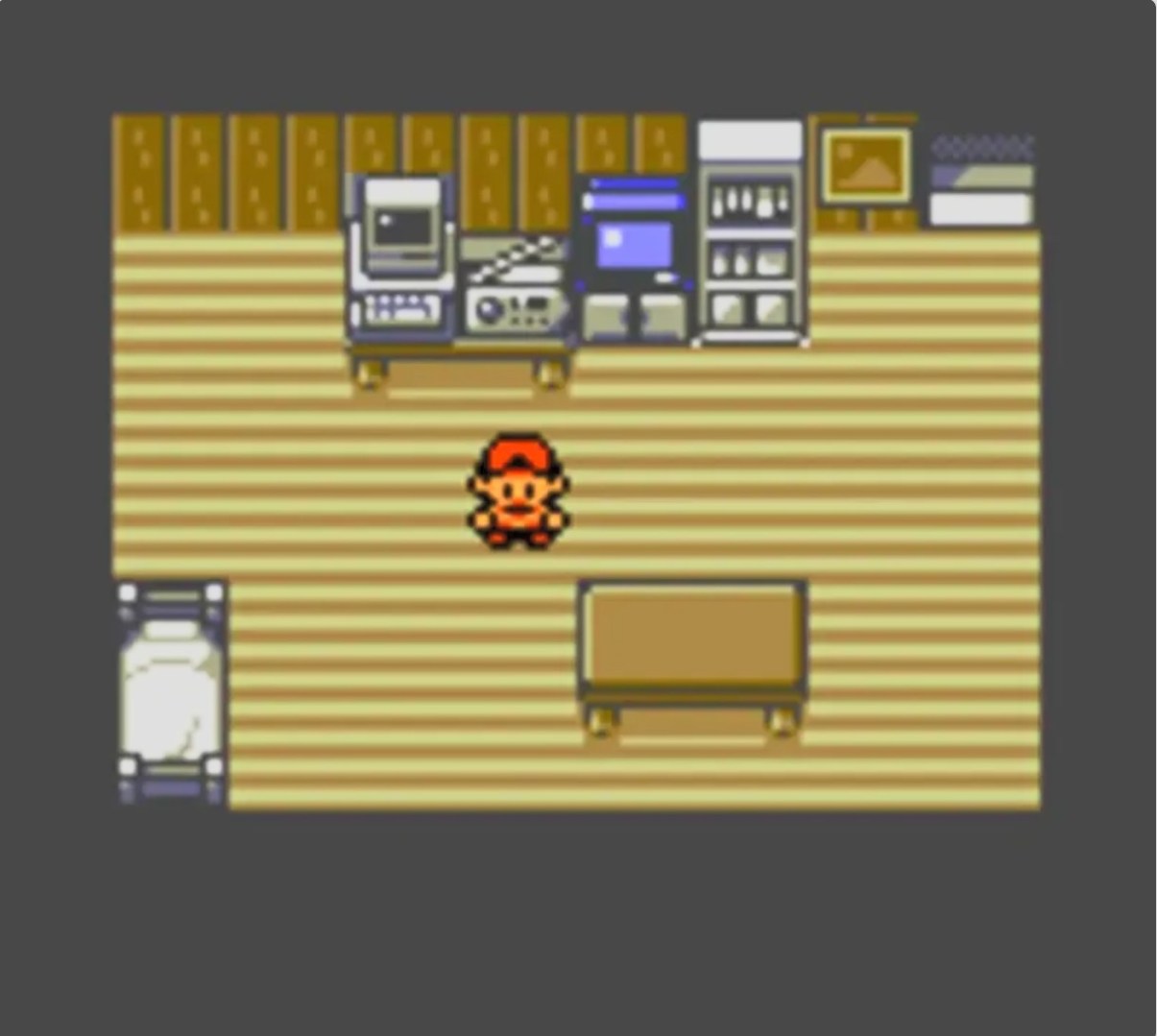
Have you ever played a Pokémon game? It’s exactly the same as all of those. You start as a boy in his room, and your goal is to be the best Pokémon trainer in the world. You receive your starter Pokémon from Professor *insert tree name here* and go on your merry way catching Pokémon, collecting gym badges, and thwarting evil plans to put a cherry on top of being the ultimate good guy.
I say Gen II is the best because it added gameplay mechanics that changed the franchise for the better, and most, if not all of them, are still used to this day.
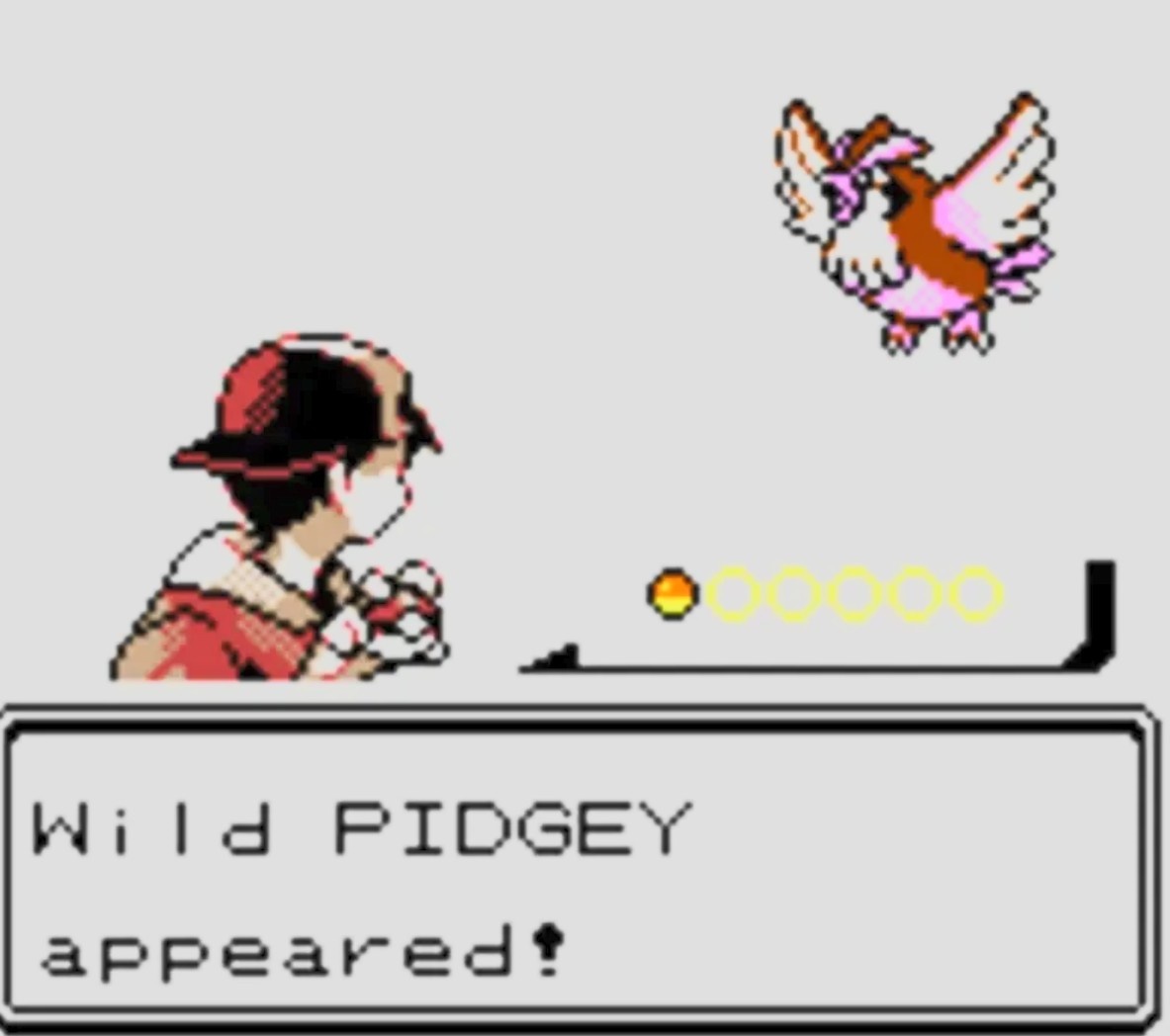
First off, it has a day and night cycle. Not only is that cool, but it actually served a purpose. There were certain Pokémon you could only catch in certain areas at a certain point in the day. You want a Hoothoot? You’d better get your behind out there at 2 am with a Poké Ball. It’s a mechanic that makes sense, and it forces the player to explore the world further if they truly want to become a Pokémon master.
Another big change is the ability for Pokémon to hold items, such as berries, which was also a major addition in these games. When I was a kid, I thought berries were stupid and I’d always sell them because I was a kid and didn’t know any better. Berries are incredibly helpful for restoring PP or curing an ailment like paralysis or poisoning.
Now let’s talk about the Pokegear. It’s essentially a smartphone but way cooler. It’s a handy tool that tells you the date and time, a built-in map, a cellphone to call your mom, Professor Elm if you’re stuck, or a random trainer you met along your travels looking for a rematch. It does get a little annoying when a retainer calls you to tell you how he almost caught a Goldeen or he almost beat another trainer on the road, but they can be useful. There’s one trainer who will call you when there’s a sale at the department store or a tournament is happening, so pay attention when they call.
It’s hard to believe the first games didn’t have this. I guess the 1990s were a different time, but these games introduced the EXP Bar. I can’t tell you how useful it is seeing the blue bar under your Pokémon’s name go up and up and how satisfying it is to hear the PING of a new level. It’s an aesthetic change, but if you’re grinding in the wild trying to level up to stand a chance against the Elite Four, it helps to know how far away you are from the next level.
You can also send money to your mom after each battle. I wish this mechanic were in more games because it comes in handy. Did you spend all your money on a random move at the department store? Fly back to Mom and pick up your savings. Did you lose all your money losing to the Elite Four and need money for Hyper Potions and revives? Go straight to Mom for the bag of cash she left under your mattress. The only flaw in this system is that she’ll spend it on stupid things. I wish I could tell her not to spend my hard-earned money on herself, but I like the idea of teaching kids what a bank is through Pokémon.
The last change and probably the biggest is the introduction of two new Pokémon types, Dark and Steel. Dark is one of the best types in the game, and Steel is easily one of the worst. Outside of fighting the Steelix at the gym, the Steel type is absolute trash. Dark, on the other hand, will give you trouble. Karen in the Elite Four is next to impossible if your Pokémon aren’t in the mid-40s by then.
Outside of that, it’s a Pokémon game like all the rest: a lot of fun.
Story: 1
The Pokémon games don’t always tell the best story, but Gold and Silver do it the best simply because of the character progression of your rival. He is one of the few characters in the series who has an actual arc. Let’s break it down step by step.
He breaks into Professor Elm’s lab in New Bark Town and steals one of the starter Pokémon. He hates weak trainers, viewing Team Rocket as weak, and his goal is to be the strongest trainer by force. The events in this story take place three years after the events in Red and Blue, but more on that later.
He’ll steal more Pokémon in Cianwood City and battle Rockets in their HQ before getting embarrassed by Lance, the Dragon Master. After that battle and a berating from Lance, he slowly starts to change. He starts treating his Pokémon with love and respect.
By the sixth time you battle him, he has done a complete 180, and you become friends. He trains harder but doesn’t overdo it. It’s implied he doesn’t train on weekends to give his Pokémon a rest, and he even tries to return the stolen Pokémon to Professor Elm, who refuses.
In alter games, you find out that your rival is actually the son of Team Rocket’s boss, Giovanni, and after his disappearance at the end of Red and Blue, he abandons his son, leaving him to fend for himself. So he’s an anti-hero on the road to redemption. He’s easily the most interesting character you sympathize with and you love to hate and then hate to love.
The rest of the game is much of the same. You’re a kid with a dream and will stop at nothing to make that dream a reality. You fight your way from town to town, acquiring badge after badge, and take down Team Rocket along the way.
Team Rocket does some weird stuff in this game. You can see how scrambled and disorganized they are without their leader taking charge. They have a plot in Azalea Town where they are cutting off Slowpoke tails for profit. Like what? That’s insane! They’re doing it to get the funds to reboot Team Rocket, but that’s too much for me, man. That plotline was crazy.
They have a secret base in Mahogany Town where they emit radio frequencies that force unnatural evolution of Pokémon. This turns into the Lake of Rage incident with the red Gyarados. Remember, this is a game for kids, and we have the disembodiment and brainwashing of Pokémon.
Their last-ditch effort is to invade the Radio Tower in Goldenrod City, where they hope to reach Giovanni to get him back. The plot comes tumbling down when you defeat all the executives, and they promise to disband Team Rocket forever. Hooray!
When I was a kid, I loved the fact that there were two regions to this game. You start in Johto with 100 brand new Pokémon and new ways to catch them, but after defeating Lance and the Elite Four, the game isn’t over. In fact, you’re only about 75% complete.
Playing it back again in 2025, I was disappointed. Going back to Kanto sucks. There isn’t much to do other than defeating the gym leaders; the Pokémon are all weak, so it’s hard to level up, and it feels rushed. It’s cool seeing familiar faces like Brock, Misty, and the rest, but that wasn’t enough to keep me engaged. They had a real chance to make a second half to this game, but it fell flat and is a speed run of the original game for no real reason.
The final battle against Red is impossible. I’ve only done it once, and that was enough for me. He has a level 77 Blastoise, 77 Charizard, 77 Venusaur, 75 Snorlax, 73 Espeon, and an 81 Pikachu. Add all that up with 2 Full Restores, and I have 2 worlds for you.
Good luck.
Atmosphere: 2
There is a big jump from Red and Blue to Gold and Silver. Yes, the originals were on the Game Boy, and these are on the Game Boy Color, but the color makes all the difference. The colors pop, and there’s a stark difference between day and night.
The Pokémon look better in battles. Their icons have a fresh coat of paint, and the animations for moves have been updated. It looks dated for 2025, but for 2000, it was a promising sign of what the 21st century had in store for video games.
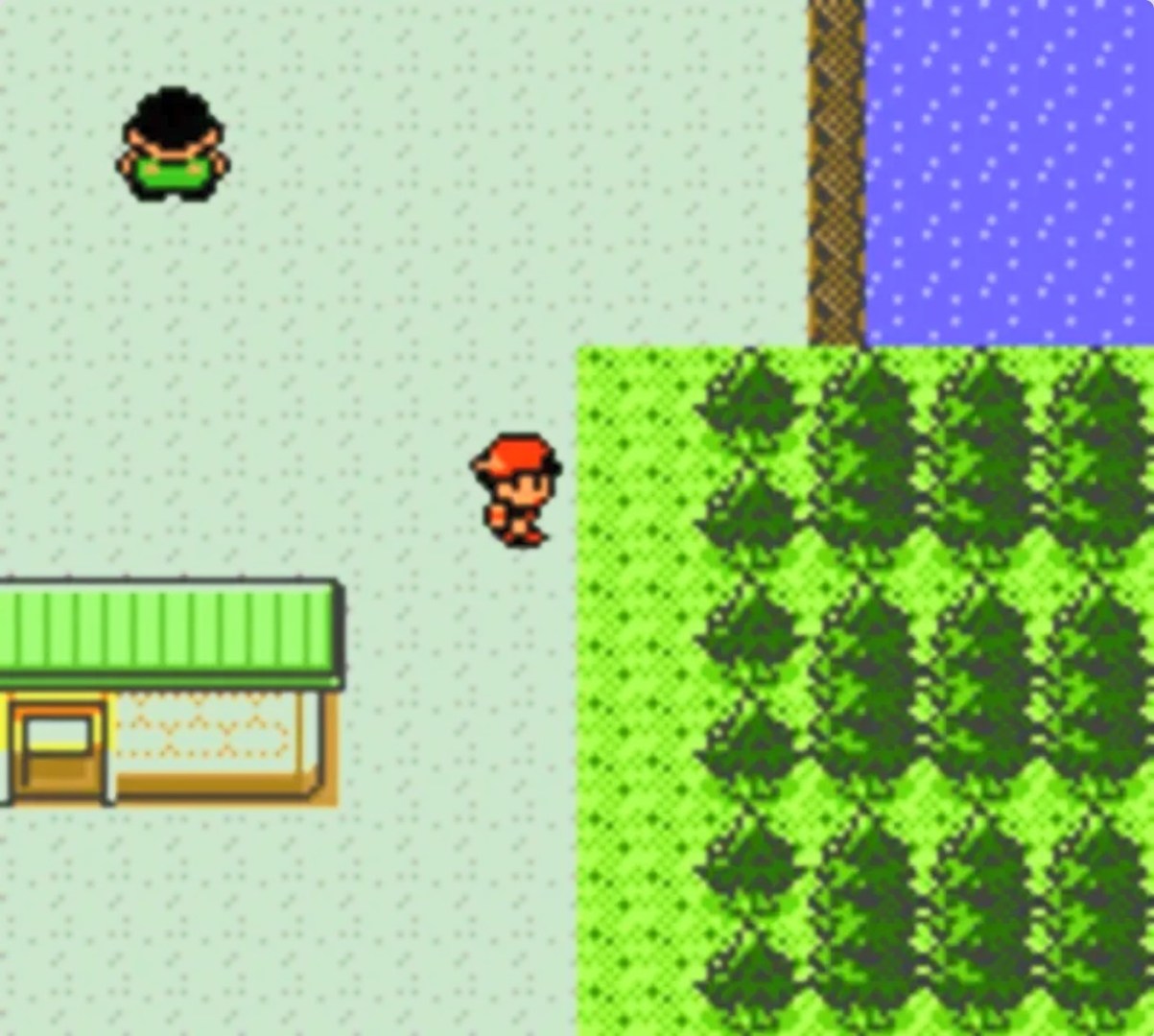
Johto is an interesting region. It has multiple environments that house all kinds of Pokémon, but certain regions have character and history. The Burned Tower has a story tied to the Legendary Pokémon of the region. The mystery of Unown in the Ruins of Alph still confuses me to this day, but it’s still cool to explore and figure it out. Johto is a region that takes the lore seriously and is a key part of the world building, and if you’re a fan, you can explore it at your leisure.
And of course, like every Pokémon game, the music is top-notch. The battle music is still engaging, and when you’re trying to beat the gym leader or advance into a new member of the Elite Four, the intense music adds so much to the moment. It’s not very different from the first games, but it still hits and hits hard when you need it to.
Value: 2
I was surprised when ChatGPT told me these games originally sold for $34, but I’m not complaining. I didn’t buy it in 2000; I was only 5. I think this was a Christmas gift, and I loved it. I played this game everywhere. At the doctor’s office, in long car rides, waiting for my brother to finish his haircut. If I could play this game, I’d be playing it.
It’s worth every penny because I’ve beaten this game over 5 times. I’ll go back and play it again every few years to see if it still hits like it did when I was in elementary school, and it does. Every single time, it feelsl ike I’m playing it for the first time again.
Duration: 2
I’ve had to put over 200 hours into this game. It’s the only game where I ever got a Pokémon to level 100, and believe it or not, it was a Fearow. Why was it a Fearow? I have no idea. I was 11, leave me alone.
If you want to do everything, including the main missions and side missions, this game will run north of 70 hours. A lot of that will be grinding to beat the higher-level opponents, but if you just want to run through the 16 badges and Elite Four, you’re looking at 40-ish hours.
That’s a solid runtime for a Game Boy game from 25 years ago.
Total Score: 9/10
This game is a classic. I have to deduct a point for the story being halfassed in the back half, but the redemption arc of your rival is the main differentiator for me here. I love the blend of Gen I and Gen II Pokémon and how easy it is to find most of them. I love how some of the poor mechanics were cleaned up in these games and how they’ve stood the test of time and are still being used in new Pokémon games to this day.
It’s a classic game with a classic feel that stands alone as the greatest Pokémon game of all time, and I will die on that hill, so come at me with your best argument for Ruby and Sapphire.
I’ll be sticking with the anniversary story next time, with the anniversary of the PlayStation 2. I owe everything I love about gaming to the PS2. It wasn’t my first gaming system, but it cemented my love for video games for the rest of my life.
It’ll be nothing but praise in that one.
I’ll see ya there, but until then, y’all take care.



 Off the Shelf Media
Leave a reply to Why Can’t Millennials Let Go Of Their Fandoms? – Off the Shelf Media Cancel reply