
Genre: Casual, Indie, Simulation, City Builder
Developer: Turbo Dog Games
Publisher: Turbo Dog Games / Wings
Release Date: August 6, 2026
Players: Single-Player
Review Date: September 9, 2026
Format: PC
Playtime (To Date): 5.7 Hours
MSRP (To Date): $9.99
With AI-generated ads and every other video on TikTok being an influencer trying to get you to purchase something from their TikTok shop, I’ve made it a conscious effort to not purchase items I see on social media. It’s by no means a new rule for me and stems from many a poor purchase in the past.
From time to time, however, I do find myself bending my own rules, particularly when it comes to videogames. One such title was Europa, where I came across an Instagram reel by the creator describing it as a Studio Ghibli-like game. That turned out to be well worth it.
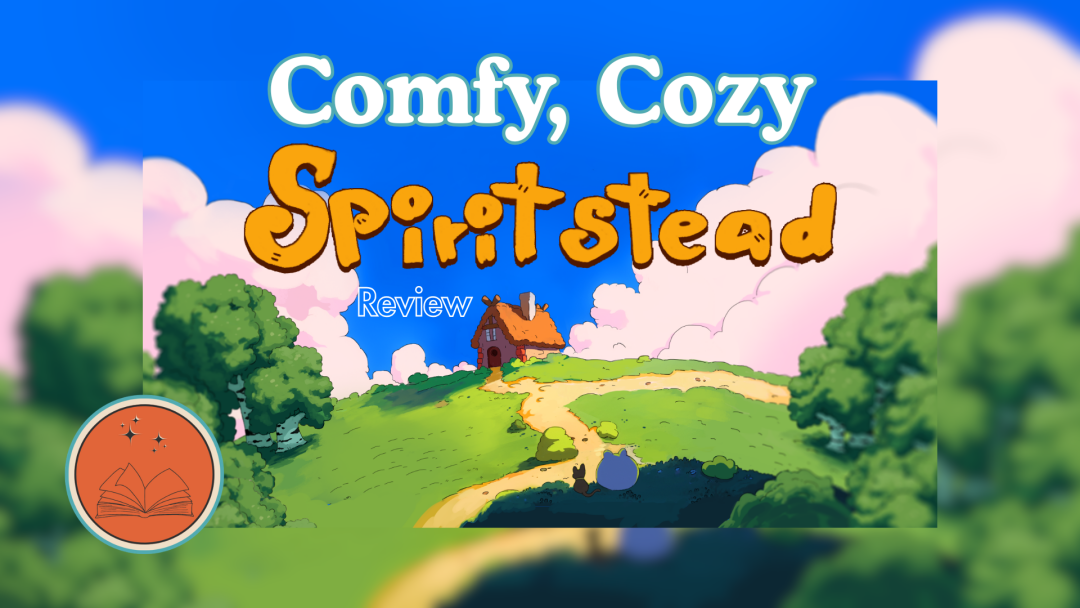
Recently, I saw a content creator promoting a newly released indie title, Spiritstead. Truthfully, the gameplay images were enough, and I promptly purchased the game on Steam.
After digging in further, I was even more excited to dive into the game after learning it is developer Turbo Dog Games’ debut title and the company is currently comprised of a team of four people. With a debut title like this one, I have high hopes for the future of this developer and this team.
Gameplay: 1
Spiritstead is a cozy city-building game. For my own comparative experience, it was as if the developers captured the energy of Stardew Valley and the gameplay of real-time strategy and city builders like Age of Empires II: Definitive Edition or Anno 1800 and put them into a singular title.
Admittedly, city builders aren’t my favorite, but I think this one is an exception.

It’s a simple, click-and-point system. Players are given a small area initially to build and develop, and bring the area back to a bustling town full of life. You start with humble beginnings, building houses and farms to support your villagers as you look for opportunities and clues to bring back the helpful spirits to the area that have long been gone.
The game also features two modes of play: adventure and creative. In adventure mode, players are given tasks to accomplish and manage as they build up their town, unlocking new biomes, characters, and spirits along the way. Level up by accomplishing these challenges and growing your village to earn more money, build new systems, and explore all the land has to offer. The difficulty level is extremely minor, so even in this mode, players do not need to stress or worry about achieving maximum efficiency; just don’t let your tasks go undone for too long and you’ll be fine.
Truthfully, I spent very little time in creative mode. For me, the objectives are the fun part, so simply building a town aimlessly captures my attention less, but I can certainly see the appeal for players who want a lower-attention playthrough.
As you progress through the game and increase your production or population, you can also unlock spirits to help aid in your objectives or completing tasks. For instance, some spirits will help collect eggs from the farm or clean up any waste from animals. It really takes a lot of the stress off when you don’t need to carefully monitor every single villager to keep them happy and productive.
The gameplay is simple and fun, but the reason it misses the mark of a perfect score is that there are still some aspects to it that seem mildly confusing and lack direction. For example, after unlocking the wizard in the winter biome, players get “god-like” powers, which allow you to mess with the villagers or show them some love. When I unlocked this ability, the game didn’t offer much direction as to how it could be activated or really what the purpose was aside from unlocking a few additional spirits. I only ever used this mechanic to unlock the spirits, and once I did, I never touched them again as there simply wasn’t reason to, and I found this experience carried over into other aspects of gameplay.
Even for the villagers, part of your job is to keep them happy and to ensure there’s enough housing and food, but you don’t actually need to give them time to sleep or eat, so there’s really not much to do there. Once you achieve something, you never really need to utilize the features more than the one time.

This goes for the minigames as well. There are three minigames based on the three different biomes players can build in: the farmland, the winter biome, and the swamp. As you play through the minigames more, you can unlock items or spirits to aid in your quests.
This game recently launched and regularly prompted me to report any bugs I experienced. I did, however, experience a few issues with the screen sizing not adjusting during minigames. It isn’t a game-breaker, but it did make those games more tedious than fun at times. I’m sure, with time, this minor issue will be an easy one for the development team to resolve.
Story: 2
Once upon a time, humans and spirits lived in sync. But, unsurprisingly, the humans became neglectful, causing the spirits to run off and the Spirit Sanctuary to be overtaken by dark spirits.

But if you can awaken the spirits once more and bring back the Spirit Temples, harmony can be found once again. That’s the basic premise of the game.
For me, the story isn’t aggressively there, but there is enough of one, and it fits the overall theme so well that it deserves a strong score. In adventure mode, unlocking different biomes brings you deeper into the story as you try to bring the village back to its former glory.
Again, short, simple, and sweet, which is pretty much the overall theme of this game.
Atmosphere: 2
The atmosphere of this game is exceptional. It’s so cozy and comforting, and has a hand-drawn style that simply makes you want to curl up in your coziest pair of sweatpants and play for hours.
For a small team, the atmosphere is incredibly impressive and the reason I purchased the game to begin with. The art style is simple but exceptional, and the subtle music and sounds in the background help you to fully immerse yourself in the game even further.

While the map and biomes to explore are currently limited, I would love to see future updates or downloadable content (DLC) be added that allows the players to explore entirely new areas and maps, such as a desert or beach. I’d love to see what the artists do with a bit more time and space to play around with.
Value: 2
Spiritstead is currently priced at $9.99, which I feel is more than reasonable.
If you only ever see yourself playing through this game once in five hours, trying to get it on sale is likely the better option. However, if the phrase “cozy city builder” excites you, it’s easily worth the full price.

For me, I’ll probably go back and try to perfect the game while also giving the creative mode another attempt, but even as someone who isn’t obsessed with this time of game, I didn’t feel that the price wasn’t warranted or was outside of reason.
Duration: 1
For my first playthrough, I was able to beat the story in around five hours without realizing it. Time flies by in a good way when playing this title.
While creative mode does allow for, in theory, endless playtime, I find that I tend to lose interest in these game modes fairly quickly. The objective is the point. Without it, I only find myself interested in playing for about 20-minute intervals before I’m ready for something else. It’s the same reason why I tend to lose long-term interest in games like Animal Crossing: New Horizons, even though I do really enjoy those games.
My reasoning behind the score in this category is really because I wish there was more story to play through in adventure mode. In time, I think it’s possible that a studio like this one is able to extend the gameplay, but in its current state, it’s too short for me, which is a good thing. The game is so fun that I wish there was more of it, and that’s my only complaint here.
Total Score: 8/10
I wasn’t sure of what to expect when I purchased Spiristead on a whim, but I was happily surprised by this indie title and am excited to see what additions are made to it in the future.
It is not quite a perfect game at launch, but it’s the perfect fit for players eager for a low-investment, cozy game that you can dedicate 30 minutes or three hours to and still have a good time.
What’s your unexpectedly favorite indie title?


Leave a Reply